
Nutrition Made Simple

Simple Online Pharmacy

Nutrition Made Simple

A practical guide to eating well

2026 edition · 64 pages

Open the guide
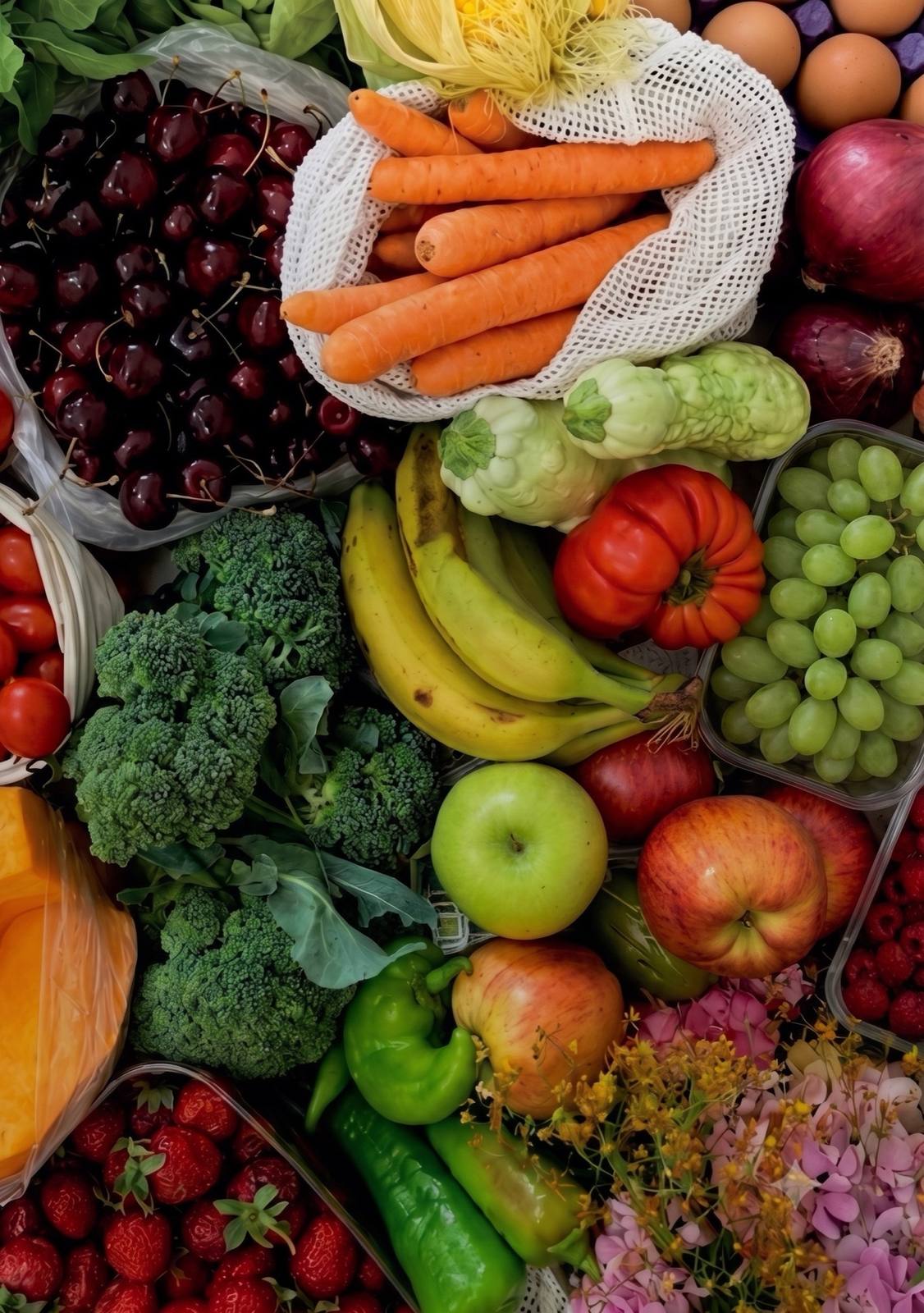
A market flat-lay of fresh produce: carrots, cherries, broccoli, bananas, grapes and tomatoes.

fresh, simple, seasonal

Foreword

This is just
the beginning

If you are reading this, you may be in a moment of transformation — welcome! Now marks the beginning of your journey towards a healthier and fuller life, where nutrition plays a fundamental role in your health and well-being. Nutrition Made Simple has been created by me and my team of dietitians and nutritionists with care, knowledge and dedication, thinking of you and your path towards a more balanced life.

Nutrition is not just about numbers on a scale; it’s about giving our bodies what they need. Often, we find ourselves chasing fleeting results instead of embracing a healthy and sustainable lifestyle. This book is an invitation to break those patterns, understand the nutrition our bodies need, and enjoy eating in the process.

Throughout these pages, you will explore how medication can be an ally on your journey, helping you redirect your eating habits and fuel your mind and body properly. The goal is not just to lose weight, but to build a positive relationship with food.

Remember, this journey is not just about physical changes. It’s about taking care of yourself, and your mental and emotional health. I hope this book inspires you to find your own path to conscious and rewarding eating.

Portrait of Laura Perez, Clinical Nutrition Lead.
Laura Perez Laura Perez RD · Clinical Nutrition Lead

Nutrition 101

Good nutrition is one of the most powerful tools in your obesity management journey. This section explains the fundamentals, and shows you how to build simple, balanced meals that keep you feeling well, energised, and strong throughout your treatment.

Chapter one

The balanced plate

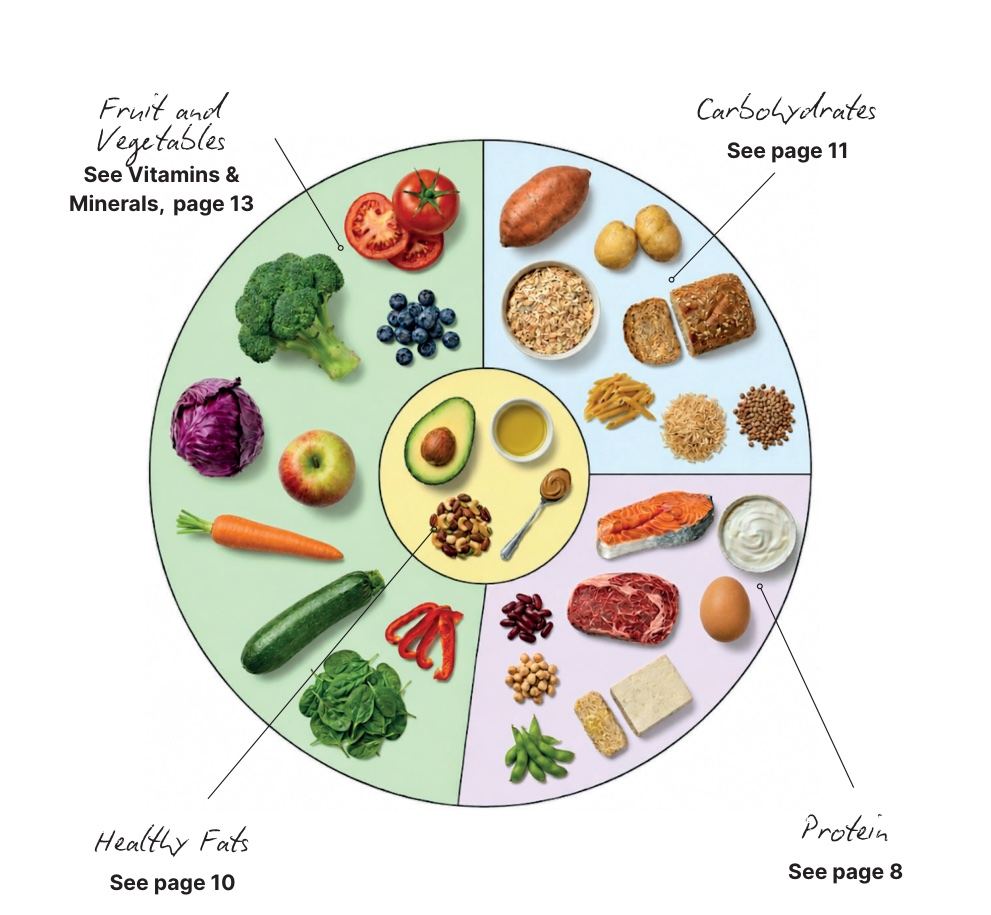
A nutrient-dense plate — one that includes a good mix of protein, healthy fats, wholegrains, and plenty of fruit and veg — can make a real difference to how you feel day to day.

During the weight loss phase, protein should make up slightly more than one quarter of your plate to help maintain muscle mass and support fullness. Once you move into a maintenance phase, we recommend reducing protein slightly to one quarter of your plate and increasing fruit and vegetables to make up half.

  • Feel fuller for longer
  • Maintain your muscle strength
  • Support comfortable digestion
  • Get the vitamins and minerals your body needs
  • Keep your energy steady throughout the day
The balanced plate diagram: half fruit and vegetables, a quarter carbohydrates, just over a quarter protein, with a small centre of healthy fats.

Refocusing on nutrients

It’s easy to focus on calories when you’re thinking about weight management. But calories only tell you how much energy food provides. They don’t tell you how nourishing that food is. Nutrients — protein, fats, carbohydrates, fibre, vitamins and minerals — are chemical compounds found in food that are essential for the body to function, grow and maintain health.

When you’re eating smaller portions, the quality of what’s on your plate becomes just as important as the quantity. Two meals might have the same number of calories, but one could be packed with protein, fibre, and essential nutrients, while the other leaves you unsatisfied and low on energy.

Protein

Protein supports growth, repair, and the everyday maintenance of your body’s tissues. All weight loss carries a risk of unintended muscle loss, so preserving lean mass while you’re losing weight matters — and getting enough protein is key.

Why protein matters
  • Protects muscle — helps maintain muscle mass during weight loss
  • Supports your bones — contributes to long-term musculoskeletal health
  • Keeps you full — slows digestion, reduces cravings, stabilises blood sugar
  • Repairs tissues — supports healing, skin health, and recovery
  • Strengthens immunity — protein builds antibodies and immune cells
How much do you need?

Protein needs vary depending on your size, age, and activity level. As a guide, aim for protein to make up just over a quarter of your plate, and try to include a source of protein at every meal and snack.
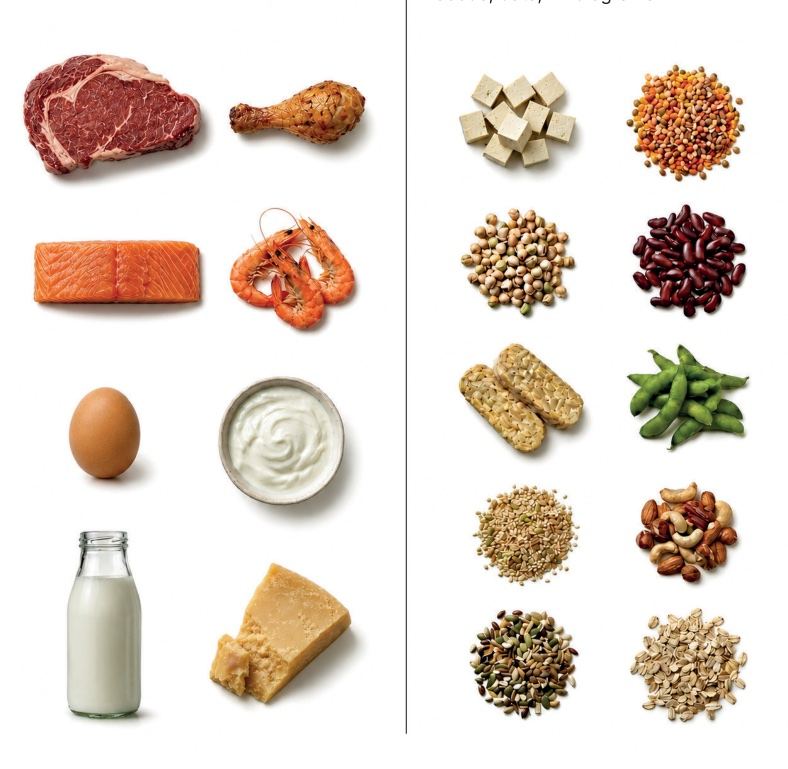
Animal protein sources — steak, chicken, salmon, prawns, egg, yoghurt, milk and cheese — beside plant sources: tofu, lentils, chickpeas, kidney beans, tempeh, edamame, seeds, nuts and oats.
animal & plant sources

Healthy Fats

Fats often get a bad reputation, but the right types are an integral part of a balanced diet. Even in small amounts, healthy fats give you steady energy, help you feel satisfied after meals, and support some of your body’s most essential functions.

Why healthy fats matter
  • Help absorb key vitamins — A, D, E and K all need fat to be absorbed
  • Keep you fuller for longer — helping manage hunger and cravings
  • Support your heart — by maintaining healthy cholesterol levels
  • Boost brain health — supporting memory, mood, and concentration
  • Reduce inflammation — supporting long-term health and wellbeing
A guide to portions
Olive or rapeseed oil
1 teaspoon
Nuts — almonds, walnuts, cashews
a small handful
Seeds — chia, linseed, pumpkin
1 tablespoon
Avocado or olives
¼–½ avocado, or 6–8 olives
Nut butters — peanut, almond, tahini
1 tablespoon
Oily fish — salmon, mackerel, sardines
1 fillet, or a small tin

Carbohydrate & Fibre

Carbohydrates are your body’s main source of energy, particularly for your brain and muscles. When you’re eating less, choosing the most nutritious types of carbohydrate makes a real difference to your energy levels, digestion, and how satisfied you feel after meals.

Complex carbohydrates the best choice

These digest slowly, keeping blood sugar steady and helping you feel full. Aim for these to make up at least 50% of your carbohydrate intake. Found in: wholegrains (brown rice, oats, quinoa, wholegrain bread and pasta), vegetables, beans and lentils, sweet potatoes.

Simple carbohydrates enjoy occasionally

These break down quickly and can cause energy spikes and crashes. Found in: sugary drinks, sweets, pastries, biscuits, white bread, pasta and rice, ultra-processed snacks.

Fibre — the carbohydrate that cares for your gut
  • Supports regular bowel movements — adding bulk to prevent constipation, a common side effect when food intake is reduced
  • Feeds healthy gut bacteria — certain fibres feed the beneficial bacteria in your gut

You’ll find fibre in fruit and vegetables (especially with the skin on), wholegrains, oats, beans, lentils, nuts and seeds.

Vitamins & Minerals

Vitamins and minerals do a lot of important work: they support your immune system, energy levels, tissue repair, bone health and much more. Eating a varied mix of fruit and vegetables is one of the best ways to get enough every day.

Aiming for five a day

One portion is roughly 80g — and frozen, tinned and dried all count. A portion could be:

  • 3 heaped tablespoons of cooked vegetables
  • A medium tomato, or 7 cherry tomatoes
  • A small handful of berries or grapes
  • A medium piece of fruit, like a banana or apple
  • Two smaller fruits, such as satsumas or kiwis
  • Half a glass of fruit juice (no added sugar)
Do you need a supplement?

For most of us, a varied, balanced diet gives us all the nutrients we need. That said, obesity management medication can reduce your appetite, and when you eat less than usual it can be harder to get everything through food alone. We suggest a simple daily multivitamin while you’re on medication, just to help cover any gaps.

Staying Hydrated

Water does a lot of heavy lifting behind the scenes: regulating our body temperature, supporting digestion, carrying nutrients around our bodies, and helping to flush out waste. Obesity management medications can reduce both your appetite and your sense of thirst, so it’s easy to end up drinking less than your body needs.

How much should I drink?

Your needs will vary depending on your body size, activity level, and the weather. A helpful indicator of good hydration is pale yellow urine.

Try not to wait until you’re very thirsty before reaching for a drink. Thirst can sometimes be a sign your body already needs more fluids. Make sure you drink more if exercising or if it’s a hot day.

123456

A useful rule of thumb is to aim for 6–8 glasses of fluid a day.

Drinks to watch

Fizzy drinks — carbonated drinks can sometimes contribute to bloating and digestive discomfort. Many also contain added sugars and offer little nutritional value, so it’s worth keeping them to a minimum.

Alcohol — alcohol doesn’t directly interact with obesity management medications, but it can make some common side effects worse. Because these medications slow digestion and affect your appetite, drinking alcohol may increase symptoms like nausea, dizziness, dehydration, and stomach discomfort. You may also find you feel the effects of alcohol sooner than usual.

If you do choose to drink, we’d suggest doing so in moderation. UK guidelines recommend no more than 14 units a week, spread across several days. Try to avoid drinking on an empty stomach, stay well hydrated, and consider cutting back, particularly in the early stages of treatment.

Ways to mix it up

Being on a weight management journey doesn’t mean giving up on drinks you enjoy or missing out on social situations. There are plenty of ways to stay hydrated and feel great, whether you’re at home or out with friends.

  • Alcohol-free swaps — kombucha, fresh lime and soda, non-alcoholic gin and tonic, soda with bitters, non-alcoholic ciders, beers or wines
  • Mocktails — there are non-alcoholic versions of many classic cocktails; try one of our suggestions below
  • Hydration boosters — herbal teas, iced teas, water infused with fruit, cucumber, mint, or ginger. If you’re experiencing side effects like vomiting or diarrhoea, consider adding electrolytes to your daily water intake — these come as powders or drops from most supermarkets and chemists
Staying hydrated — top tips
  • Carry a water bottle with you during the day and sip regularly, even when you don’t feel thirsty
  • Add flavour with lemon, mint, or berries if plain water feels uninspiring
  • Include water-rich foods in your meals — fruit, vegetables, soups, and broths all count towards your fluid intake
  • Use electrolyte drinks occasionally if you’re unwell, sweating heavily, or experiencing vomiting or diarrhoea

Three refreshing recipes to try

A tall glass of protein berry mojito with crushed strawberries, mint and ice.

Protein Berry Mojito

A no-alcohol, lower-sugar riff on a classic. Serves 1

Ingredients: handful of fresh mint, 4 crushed strawberries, juice of ½ lime, 200ml sparkling water, 1 tbsp collagen peptides (optional).

Method: muddle the mint and berries (and collagen peptides if using), add lime and ice, top with sparkling water.

A tall glass of berry electrolyte refresher with crushed raspberries and ice.

Berry Electrolyte Refresher

Light, hydrating, and good for electrolyte balance. Serves 1

Ingredients: 400ml cold sparkling water, 1 tbsp crushed raspberries, pinch of sea salt, squeeze of lemon, a little honey or sweetener (optional).

Method: mix everything together gently (to protect the bubbles) in a tall glass and add ice. If using honey, add it to the raspberries when you crush them.

A wine glass of kombucha spritz with ice, lime and mint.

Kombucha Spritz

Tangy and refreshing, and contains probiotics for gut health. Serves 1

Ingredients: 150ml kombucha (ginger or berry), 100ml sparkling water, squeeze of lime, ice, mint leaves.

Method: pour the kombucha into a wine glass with the ice. Top up with the sparkling water, squeeze in the lime and garnish with mint leaves.

Managing Side Effects

Like all medications, your treatment can sometimes cause side effects. Most are mild and tend to improve as your body adjusts. The good news is that simple changes to what you eat, the size of your portions and how much you drink can help you manage these side effects.

The table below explains some common side effects, and what you can do to manage them. We’ve also included one example recipe for each — head to the recipe index to see which recipes support different side effects.

Side effectCauseHow to manageExample recipe
Sulphur or ‘eggy’ burps Slower digestion means food stays in the stomach longer, allowing gases to build. Eat smaller, more frequent meals · choose lighter meals that are easier to digest · eat slowly and chew your food well. 10-Minute ‘Soothe & Move’ Bowl p. 46
Constipation Slower gut movement causes stools to become drier and harder to pass. Drink water regularly throughout the day · include higher fibre foods with meals. 10-Minute ‘Hydrate & Flow’ Porridge p. 46
Nausea Common when starting or increasing dose. Typically worsens with large meals, high-fat foods or dehydration. Eat small, simple meals more often · avoid greasy or rich foods · stay well hydrated · ginger is well known to help ease nausea — try it in meals or as ginger tea. Golden Ginger Rice Bowl p. 47
Diarrhoea Changes in gut movement can speed transit time, leading to looser stools. Drink fluids frequently to replace fluid and prevent dehydration · choose gentle, plain foods · avoid very rich or spicy meals during episodes. Simple Savoury Rice Porridge (Congee) p. 47
Headaches Often due to dehydration or going long periods without eating (causing low blood sugar). Maintain regular meal patterns · drink water steadily through the day · eat little and often — even a small snack is better than skipping a meal. Berry Electrolyte Refresher p. 18
Acid reflux Slow stomach emptying increases the chance of acid moving upwards into the oesophagus. Eat smaller portions and try eating your meals more slowly · reduce rich, spicy, or acidic foods · try to identify personal trigger foods and avoid. 10-Minute ‘Cooling’ Chicken & Peas p. 48
Fatigue Can occur if you’re not eating enough, not eating regularly, or are dehydrated. Eat small, balanced meals even with low appetite · keep drinking fluids regularly · include steady energy sources in meals (protein + carbohydrates). Magnesium-Boost Green Smoothie p. 48
Hair loss Usually linked to rapid weight loss or insufficient nutrient intake. Eat balanced meals regularly, with a good variety of nutrients · a daily multivitamin may help support nutritional adequacy. Please see all recipes
When to seek medical help

The symptoms in the table above are common and manageable. But there are a few signs that mean you should contact a healthcare professional straight away.

Is your dose right?

You should still be able to eat regular meals while on treatment. If you’re struggling to manage at least three meals a day, your dose may need adjusting — please speak to our team or your relevant healthcare provider.

Eating Mindfully

Obesity management medication changes your relationship with hunger. Your appetite will feel different, and that can take some getting used to. Mindful eating is a simple, practical approach that can help you tune into your body’s new signals and feel more comfortable and confident around food.

What is mindful eating?

Mindful eating means paying attention when you eat — to the flavours and textures on your plate, to how hungry you feel, and to the moment when you start to feel satisfied. It’s not about restriction or following rules. It’s about eating with a bit more awareness and letting go of judgement around food choices.

Putting it into practice
  • Eat slowly and chew well — your body needs time to register fullness, and eating more slowly gives it that chance
  • Put screens away during meals — distractions make it harder to notice when you’ve had enough
  • Choose balanced, nourishing foods — try to take a moment to actually enjoy them
  • Check in with yourself before and during meals — how hungry are you really? Your appetite may be lower than before, so these check-ins matter more than ever
Small steps, real change

Your starting point is your own — it won’t look the same as anyone else’s. Rather than aiming for an overnight transformation, focus on small, realistic changes that feel manageable right now.

For example, if you’re currently drinking around three glasses of water a day, aiming for five is a great next step. Once that becomes part of your routine, you can build on it from there. We’ve provided a handy tracker template that you may find useful for habit building.

The same thinking applies to movement. You don’t need to start with intense exercise. Even short walks or light stretching can make a real difference to your energy, mood, and muscle and bone health. Light to moderate activity like walking or strength training supports your metabolism and helps maintain muscle as you lose weight.

Why it all adds up

Combining mindful eating with small, achievable goals helps you build habits that last. Over time, this approach supports better portion control, more comfortable digestion, greater satisfaction with meals, and a healthier relationship with food.

Simple, Healthy Recipes

When your appetite is smaller, the meals you eat need to work a little harder. That means making sure each one is balanced, with enough protein to keep you strong, fibre to support digestion, and the right nutrients to keep your energy steady throughout the day.

The meal plan blueprint

Each week, you should be aiming to eat a range of protein types, fruits and vegetables, complemented by mostly complex carbohydrates and small amounts of healthy fats. Below you’ll find a one-week meal plan built around nutrient-dense, protein-rich, and easy-to-prepare meals — with some key principles that should ideally be incorporated into what you eat on a weekly basis:

legumes ×2

Legumes (beans, pulses etc.) should feature in at least two meals per week — but try not to have them on the same day, or consecutive days, to avoid bloating if you’re not used to them.

fish ×2

Fish should ideally feature in at least two meals per week — one portion of which should be oily fish, like salmon or mackerel.

red meat ≤2

If you eat meat, try not to eat red meat (beef, lamb, pork etc.) more than once or twice per week.

Remember, try to include a source of animal or plant protein in every meal and snack, and make sure that you include carbohydrates and fibre daily in your meal plan. Look out for the nutrient labels throughout the recipes to help you identify the nutrients coming from different foods, and to help you build a balanced plate.

If you follow a pescatarian or plant-based diet, your protein sources will look a little different, but variety is key. Each recipe includes guidance on ingredient swaps, and these recipes are here as inspiration and a starting point — not a strict prescription. Everyone’s appetite, preferences and nutritional needs are different. If in doubt, use the Balanced Plate guide to check your portions.

The weekly meal plan

Tue Chocolate Chia Pudding with fresh fruit, nuts & seeds Spiced Moroccan Vegetable & Grain Bowl legumes Garden Vegetable Omelette Plate — add your favourite vegetables to a 2–3 egg omelette, with a side salad and a slice of bread or toast
Wed Whipped Cottage Cheese Toast — blend ½ cup cottage cheese, spread on wholemeal toast, add your favourite toppings Quinoa, Spinach & Tuna Salad with Pesto legumes Ginger-Garlic Tofu Stir-Fry with Noodles
Thu Greek Yoghurt, Fruit & Nut Sundae — layer yoghurt, fruit, and 1–2 tbsp nuts or seeds; drizzle with honey or nut butter Lentil & Chickpea Soup legumes Salmon with Rice, Cabbage & Kale fish
Fri Overnight Oats Bagel with Cream Cheese, Turkey & Cucumber Homemade Vegetable Pizza — top a wholemeal flatbread with tomato sauce, vegetables and grated mozzarella; 8–10 min at 200°C
Sun Pink Pancakes with Yoghurt & Berries Egg Salad Open Sandwich Sunday Roast with Seasonal Vegetables — see meal prepping & planning for tips on a healthier roast meat

to start the dayBalanced Breakfasts

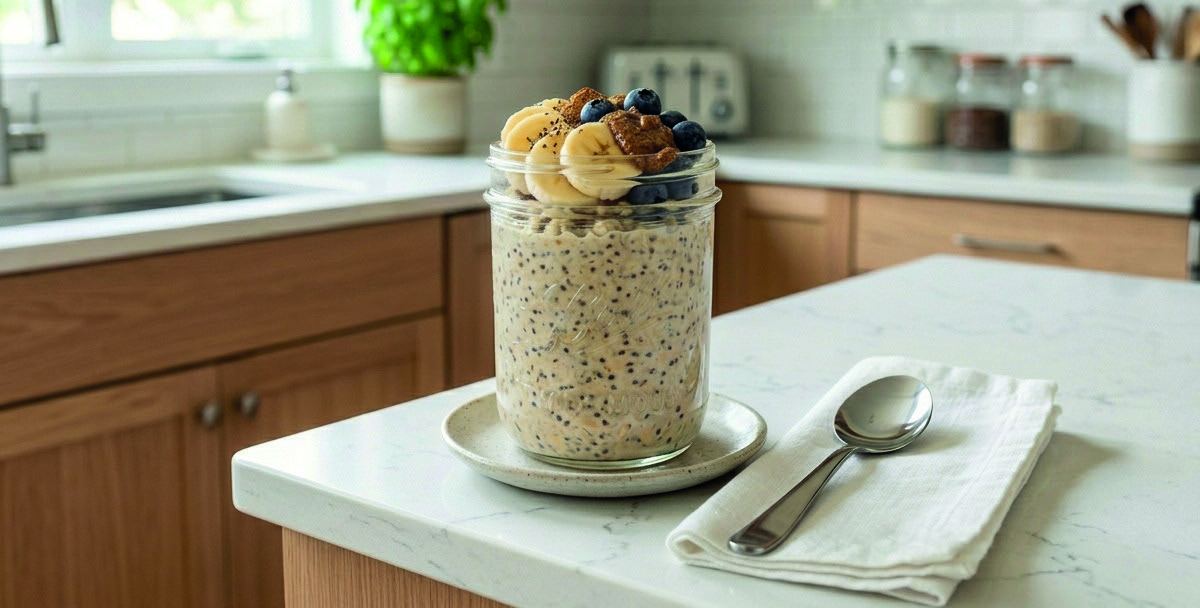
A glass jar of overnight oats topped with banana, blueberries and nut butter on a kitchen counter. Carbohydrate rolled oats Fibre chia seeds

Balanced breakfasts · p. 27

Overnight Oats

The oats in this fibre-rich breakfast help stabilise your blood sugar, and this easy, flexible recipe gives infinite flavour possibilities to suit your mood.

  • Serves1
  • Prep5 min
  • Chillovernight
Ingredients
  • ½ cup rolled oats
  • ½ cup milk
  • ½ cup Greek yoghurt
  • 1 tsp chia or flax seeds
  • Sprinkle of cinnamon
  • 1 tsp nut butter (optional)
  • Fruit of your choice — e.g. ½ banana or ¾ cup berries
Method

In a jar or airtight container, mix the oats, milk, yoghurt, chia or flax seeds and cinnamon. Put on the lid and refrigerate overnight. When ready to eat, top with the fruit and nut butter, if using.

Meal prep & storage: make multiple jars at the start of the week — they’ll keep for 2–3 days in the fridge.

Swaps — use your favourite fruit and nut butters, swap cinnamon for cocoa powder, or sprinkle over seeds, coconut flakes or nuts. Vegan: use your preferred plant-based milk and yoghurt alternatives.

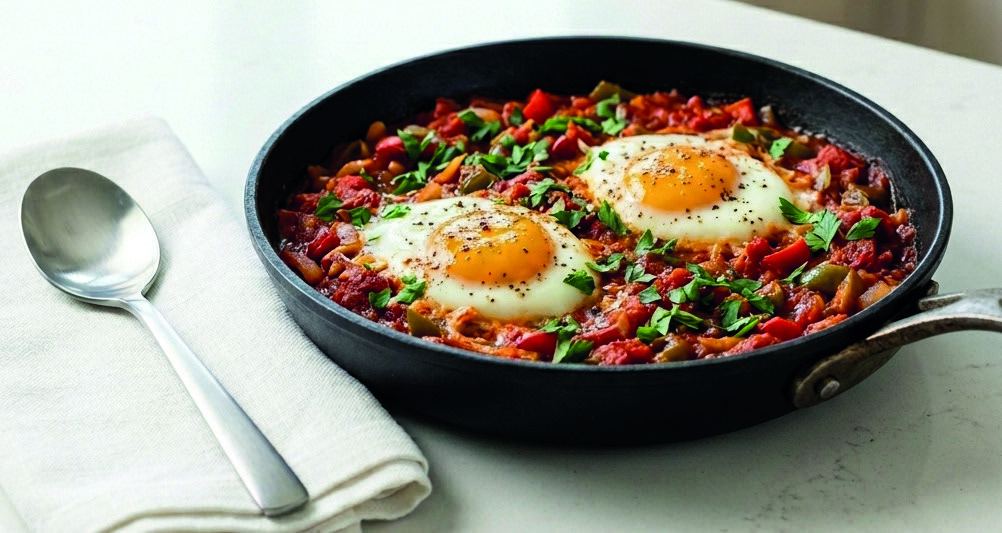
A cast-iron skillet of shakshuka with two baked eggs on spiced tomato and pepper sauce. Vitamins & minerals red pepper Protein eggs

Balanced breakfasts · p. 28

Mediterranean Shakshuka Skillet

Egg yolks contain choline, which is essential for brain health. This dish tastes like a holiday, packed with protein, vitamins and minerals.

  • Serves2
  • Prep5–10 min
  • Cook20 min
Ingredients
  • 1 tsp olive oil
  • 1 onion, chopped
  • 1 red pepper, chopped
  • 2 garlic cloves, crushed
  • 1 tsp paprika or cumin (or both, if you prefer!)
  • 1 can chopped tomatoes
  • 2 eggs
  • Salt and pepper
  • A little fresh parsley or coriander (optional)
Method

Fry the onion and pepper in oil for about 5 minutes, until soft. Add the garlic and spices, and cook for about 1 minute until fragrant. Add the chopped tomatoes and simmer on a low heat for 5 minutes. Make two wells in the tomato mixture, crack in the eggs, cover and cook for 5–8 minutes until the eggs are cooked to your liking. Garnish with the parsley or coriander if desired.

Meal prep & storage: the tomato mixture can be cooked in a larger batch in advance, before the eggs are added. It keeps for 2–3 days in the fridge, covered, or freezes for up to 3 months.

Vegan: replace eggs with firm tofu or chickpeas.

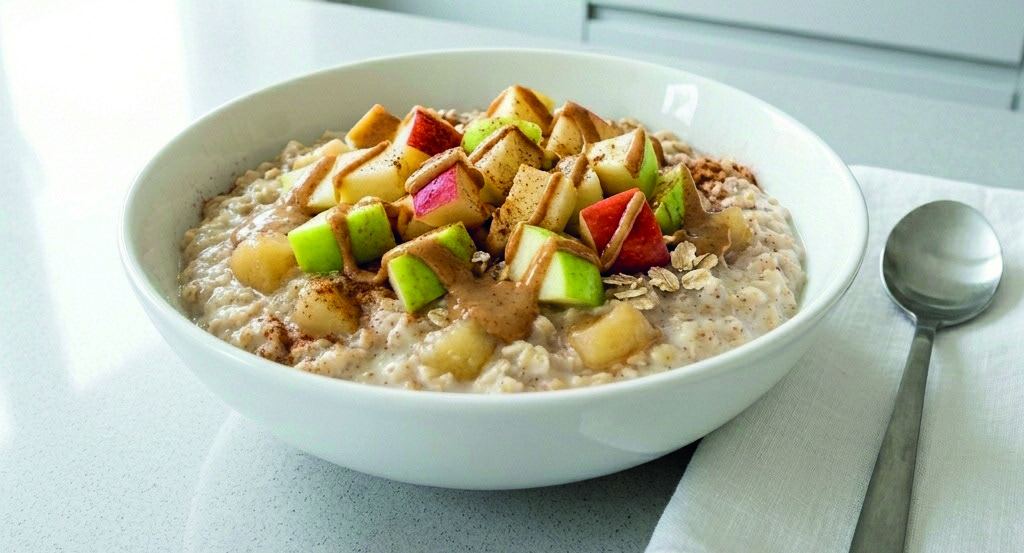
A bowl of porridge topped with diced apple, nut butter and cinnamon. Healthy fats nut or seed butter Fibre apple

Balanced breakfasts · p. 29

Apple & Sunflower Seed Porridge

With fibre and healthy fats to support digestion and keep you satisfied.

  • Serves1
  • Prep5 min
  • Cook5–10 min
Ingredients
  • ⅓ cup quick-cook oats
  • 1 cup semi-skimmed milk
  • ¾ scoop or 1 heaped tbsp protein powder (optional protein boost)
  • 1 small apple, diced
  • 2 tsp sunflower, almond or peanut butter
  • 1 tsp ground cinnamon
Method

In a small saucepan, whisk together the milk and protein powder (if using) while the milk is still cold — this prevents the powder from clumping. Stir in the oats and half of the diced apple. Simmer on medium-low for 5–7 minutes, stirring frequently. If it feels too thick, add a splash of water — a slightly thinner consistency may be easier to eat if appetite is low. Pour into a bowl and top with the remaining apple, the nut or seed butter, and cinnamon.

Vegan: swap the whey protein powder for a plant-based option (pea or soy-based powders are good choices) and the milk for your favourite plant-based alternative.

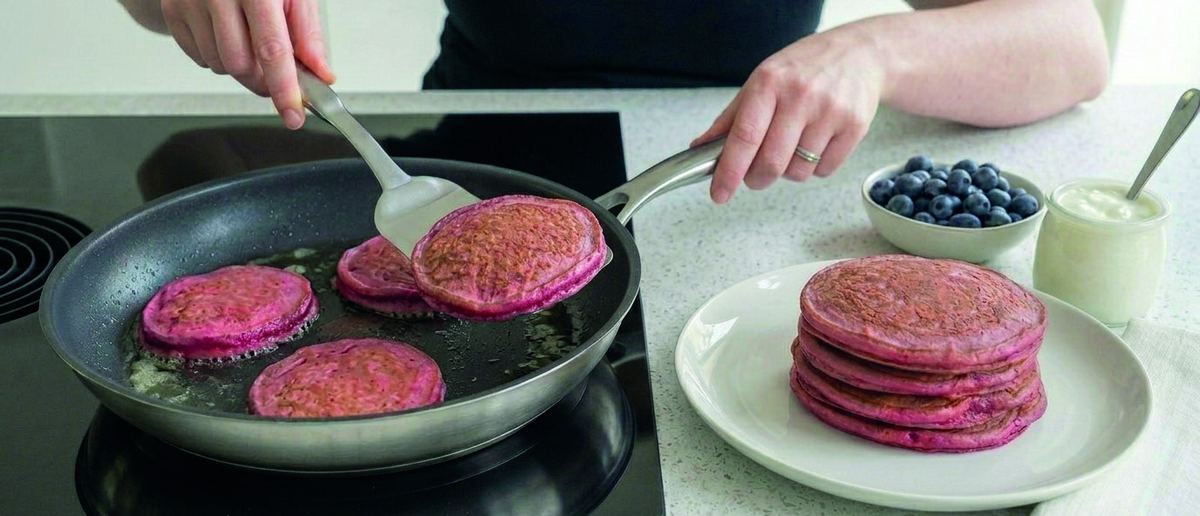
Vivid pink beetroot pancakes cooking in a frying pan, with a stacked plate, blueberries and yoghurt nearby. Fibre, vitamins & minerals beetroot

Balanced breakfasts · p. 30

Pink Pancakes with Yoghurt & Berries

The beetroot in this recipe isn’t noticeable by its flavour, but by the vivid pink it adds to these high-protein pancakes. As well as fibre, beetroot provides folate, potassium and manganese, which our bodies need to support cell, muscle and metabolic function.

  • Makes10–14
  • Prep5 min
  • Cook5–10 min
Ingredients
  • 2 ripe bananas
  • 2 eggs
  • 1 cup oats
  • 1 tsp vanilla extract
  • 1 small raw beetroot, peeled and cut into chunks
  • ¼ cup milk
  • Pinch of salt and cinnamon (optional)
  • Yoghurt and fresh berries, to serve
Method

Combine all the ingredients in a blender or food processor, until you get a bright pink, smooth batter. Heat a large frying pan over a medium heat (add 1 tsp oil if your pan isn’t non-stick). Gently pour in a small amount of batter to give a pancake roughly the size of a drink coaster — you should be able to cook three or four at once. Cook until golden brown (about 2–3 minutes) on each side. Serve topped with yoghurt and fresh berries.

Meal prep & storage: the pancake batter will last for up to 2 days in the fridge in a jar or airtight container.

Vegan: use 2 flax eggs (2 tbsp ground flaxseed mixed with 5 tbsp water, left to gel for 5–10 minutes) and swap in your preferred plant milk.

midday fuelNutritious Lunches

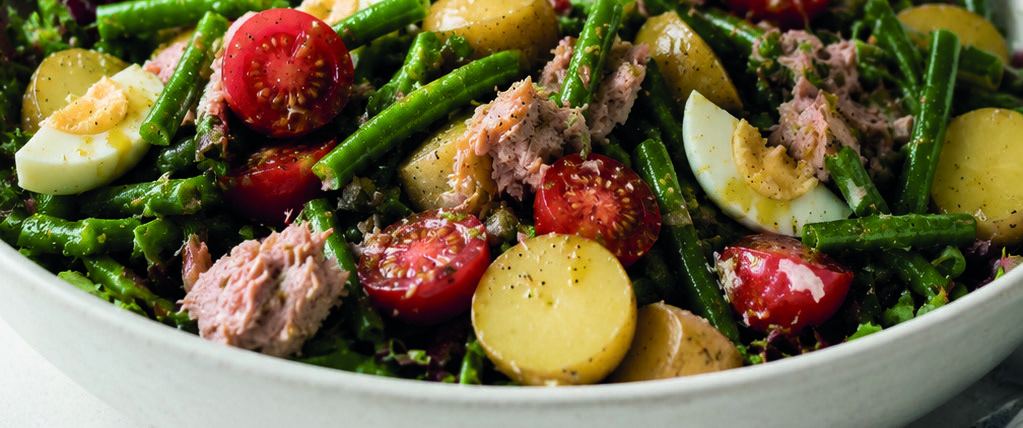
A platter of Niçoise salad with green beans, cherry tomatoes, baby potatoes, boiled eggs and tuna. Protein tuna Carbohydrate baby potatoes

Nutritious lunches · p. 31

Provençal Niçoise Power Salad

Tuna — high in omega-3 acids, selenium and vitamin D as well as protein — stars in this fast, no-cook lunch. Your thyroid needs selenium when you’re losing weight to help stabilise your metabolism.

  • Serves2
  • Prep10–15 min
Ingredients
  • 1 cup green beans, in bitesize pieces
  • 1 cup cherry tomatoes, halved
  • ½ cup baby potatoes, halved & cooked
  • 2 cups mixed salad greens
  • ½ cup or 1 can tuna
  • 2 hard-boiled eggs, halved
  • 2 tsp capers, chopped (optional)
  • 1 tsp olive oil · 1 tsp lemon juice
  • Salt and pepper
Method

Arrange the salad greens onto plates, top with beans, tomatoes, potatoes, tuna and the eggs. Drizzle with olive oil and lemon, and season with salt and pepper, to taste.

Meal prep & storage: makes a great packed lunch. Portion into containers with the greens on top to stop them going soggy; toss in the lemon and oil before serving.

Swaps — replace the tuna with fresh or tinned salmon. Vegan: use chickpeas and/or tofu instead of tuna and eggs.

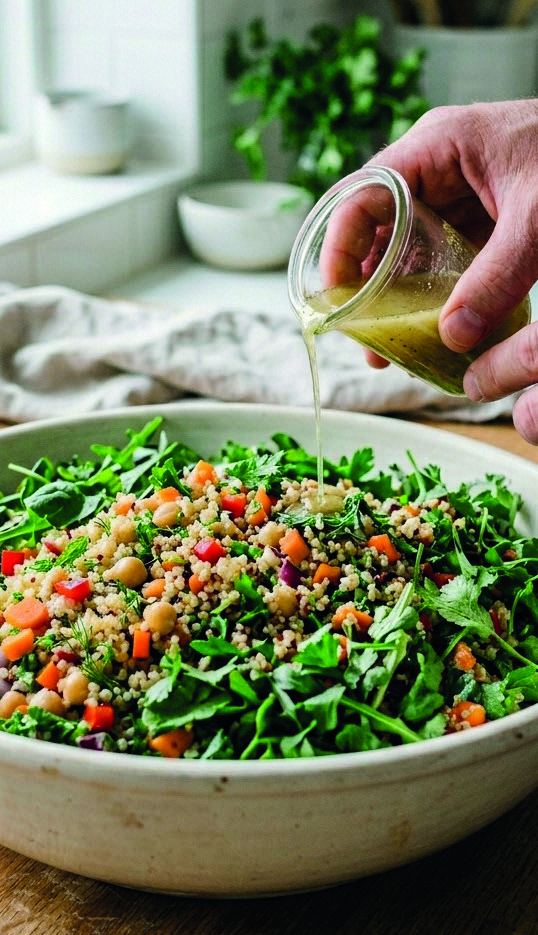
A hand pouring dressing over a bowl of salad greens, quinoa, chickpeas and diced vegetables. Protein chickpeas or lentils Carbohydrate quinoa

Nutritious lunches · p. 32

Spiced Moroccan Vegetable & Grain Bowl

Quinoa provides magnesium, a mineral that helps turn the food we eat into energy and supports bone strength.

  • Serves2
  • Prep10–15 min
  • Cook12–15 min if cooking quinoa
Ingredients
  • 2 cups mixed fresh salad greens
  • 1 small carrot, diced
  • 1 small red bell pepper, diced
  • ½ red onion, diced
  • Vegetable stock (optional)
  • 1 cup chickpeas or lentils
  • ½ cup quinoa
  • 1 tsp olive oil · 1 tsp lemon juice
  • ½ tsp ground cumin · ½ tsp smoked paprika
  • Small handful of fresh herbs, chopped (optional)
Method

If you have dried quinoa (rather than cooked quinoa from a packet), first cook it in plenty of water — or vegetable stock for extra flavour. Cook until the grains are tender and the white spiral — known as the ‘tail’ — is visible, usually about 12–15 minutes. Drain it thoroughly. Combine the salad greens, vegetables, chickpeas or lentils and quinoa in a large bowl. Whisk the olive oil, lemon, and spices together in a separate small bowl or mug to make a dressing. Pour the dressing over the salad and toss. Serve onto two plates and garnish with fresh herbs, if using.

Meal prep & storage: can be made ahead — combine everything except the salad greens, portion into containers, and add the greens on top to avoid wilting. Toss again before serving.

Swaps — meat and fish eaters may choose to add ½ cup fresh or tinned salmon or tuna, or ½ cup cooked chicken.

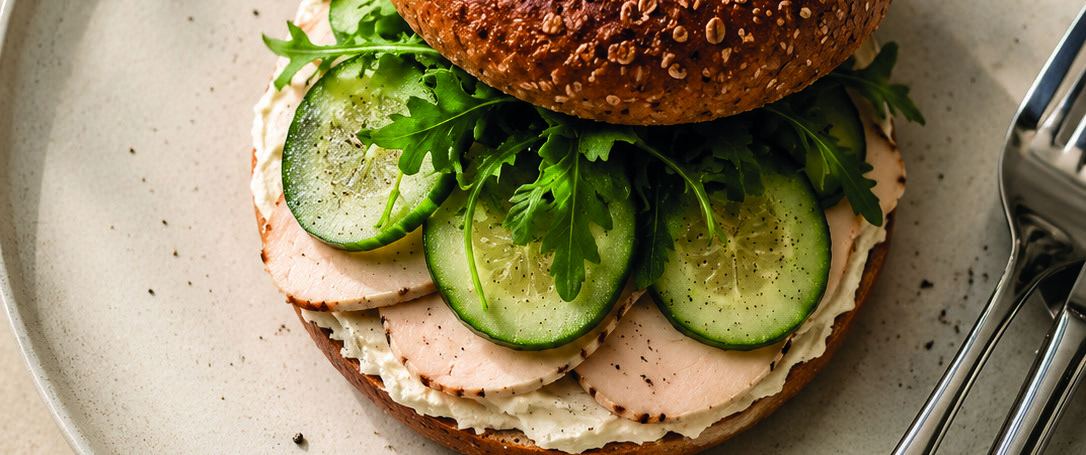
An open seeded bagel layered with cream cheese, turkey slices, cucumber and rocket. Fibre rocket or spinach Protein turkey breast

Nutritious lunches · p. 33

Bagel with Cream Cheese, Turkey & Cucumber

Cucumber has a very high water content, so provides you with additional hydration.

  • Serves1
  • Prep5–10 min
Ingredients
  • ½ or 1 wholemeal or sourdough bagel
  • 3 thick slices roasted turkey breast
  • 2 tbsp cream cheese
  • A few slices of cucumber
  • ⅓ cup fresh rocket leaves or baby spinach
  • Black pepper
Method

Lightly toast the bagel until golden. Spread the cream cheese evenly over the bagel and press on the rocket or spinach. Stack the turkey breast slices on top and finish with the cucumber slices and some black pepper. This can be eaten as an ‘open sandwich’, or if using a whole bagel, top with the other half and enjoy.

Meal prep & storage: bagels make a great on-the-go lunch. Wrap tightly in foil or baking paper, or pop in a sandwich bag. A pre-made bagel lasts 2–3 days in the fridge, though it may lose some crunch.

Vegan: use smoked tofu slices (pan-seared for extra flavour) instead of turkey, and vegan cream cheese. Pescatarian: swap the turkey for 3 slices of smoked salmon, or ¼ cup of smoked salmon trimmings.

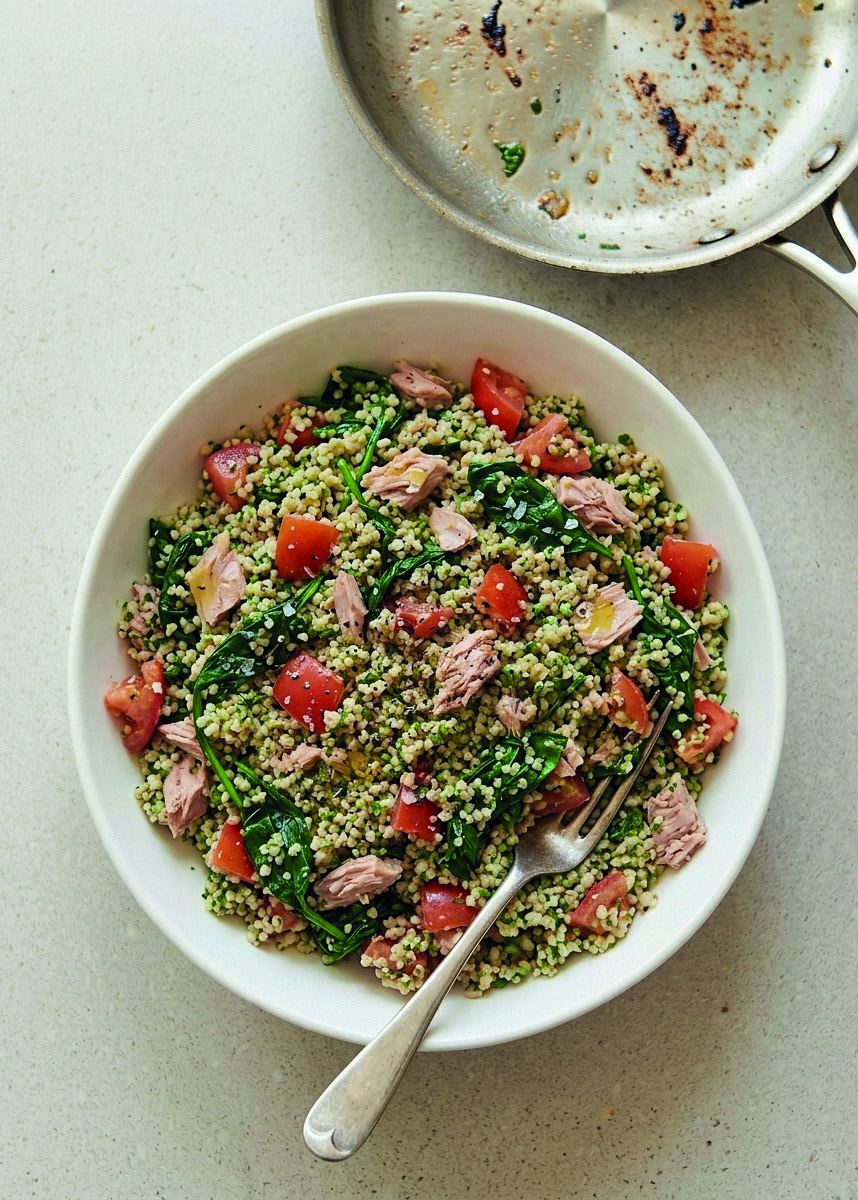
A bowl of quinoa salad with wilted spinach, tuna and diced tomato. Healthy fats basil pesto Fibre baby spinach

Nutritious lunches · p. 34

Quinoa, Spinach & Tuna Salad with Pesto

Pan-frying the spinach makes it easier to digest, and polyphenols from olive oil and basil in the pesto act as antioxidants to reduce gut inflammation.

  • Serves1
  • Prep5–10 min
  • Cook1 min, plus 12–15 if cooking quinoa
Ingredients
  • ½ cup quinoa
  • Vegetable stock (optional)
  • ½ can tuna in water, drained
  • 1½ cups fresh baby spinach
  • ½ medium tomato, diced
  • 1 tbsp basil pesto
  • 1 tsp fresh lemon juice
Method

If you have dried quinoa, cook as per the Moroccan bowl. Dry fry the spinach over a medium heat for 30–60 seconds — remove as soon as it turns bright green and shrinks. In a large bowl, whisk the pesto and lemon juice, then toss in the quinoa. Either arrange the dressed quinoa, tuna, spinach and tomatoes on your plate, or toss it all together before serving.

Meal prep & storage: works really well as a make-ahead lunch, portioned into food containers. As the spinach is already wilted, you don’t need to worry about it going soggy. Keeps 2–3 days in the fridge.

Swaps — swap tuna for ⅓ cup cooked salmon, prawns or chicken/turkey. Vegan: swap tuna for ½ cup chickpeas and use a vegan pesto; top with 1 tbsp shelled hemp seeds for omega-3 and omega-6.

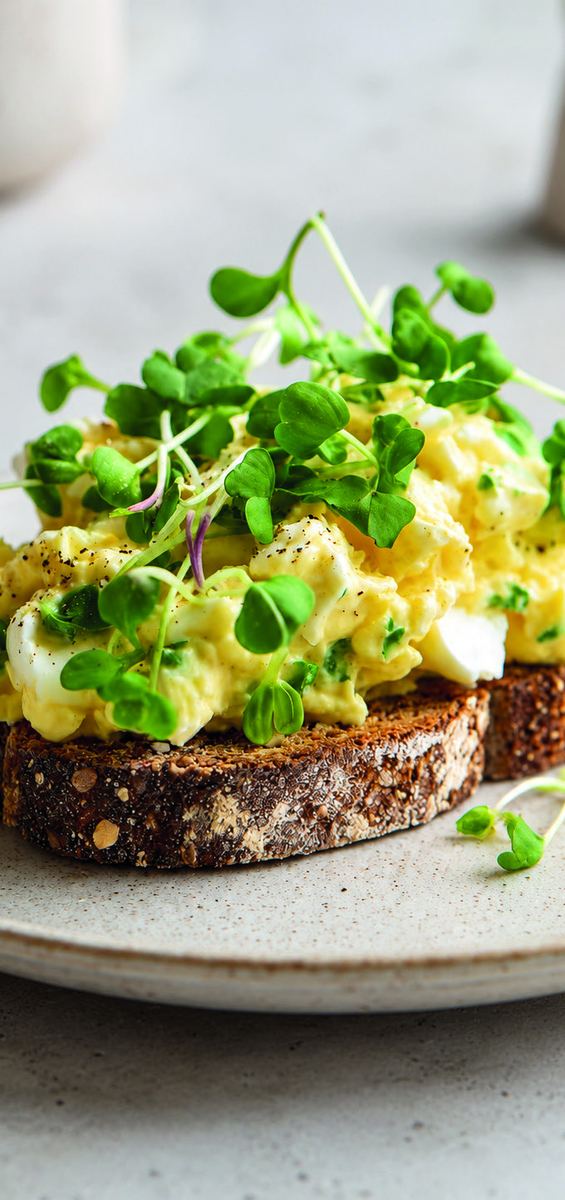
Egg salad on toasted sourdough topped with sprouted seed mix. Fibre sprouted seed mix Protein hard-boiled eggs

Nutritious lunches · p. 35

Egg Salad Open Sandwich

A high-protein lunch or light dinner with turmeric, which acts as a biological ‘soother’ for the digestive system.

  • Serves2
  • Prep/cook5–10 min
Ingredients
  • 2 hard-boiled eggs
  • 2 tbsp Greek yoghurt
  • 2 slices sourdough bread
  • 1 tsp mustard
  • 1 full cup sprouted seed mix (see swaps)
  • ¼ tsp ground turmeric
  • Salt and pepper
Method

In a medium bowl, peel and mash the eggs with a fork. Fold in the yoghurt, mustard, turmeric and mix until creamy. Season with salt and pepper to taste. Lightly toast the bread to your liking. Spread the egg mixture generously over the toast, and top with the sprouted seed mix.

Meal prep & storage: the egg salad mixture keeps well in the fridge for up to 3 days, covered. When ready to eat, simply toast your bread and serve.

Swaps — sprouted seed mix is in the salad aisle of most supermarkets; or scatter over salad cress and a mixture of sunflower, pumpkin and sesame seeds. Vegan: use ½ block of extra-firm tofu (crumbled) instead of eggs, with unsweetened soy yoghurt or 1 tbsp tahini for creaminess.

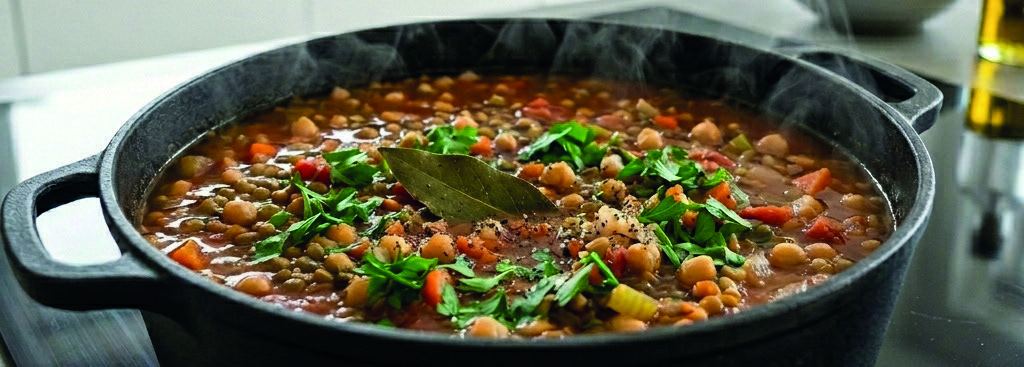
A steaming pot of lentil and chickpea soup with vegetables and a bay leaf. Fibre lentils Protein chickpeas

Nutritious lunches · p. 36

Lentil & Chickpea Soup

Chickpeas are a source of zinc, which is vital to maintaining a strong immune system and has skin health benefits.

  • Serves4–6
  • Prep15 min
  • Cook40–45 min
Ingredients
  • 1 cup dried lentils, rinsed (green or brown)
  • 1 can (1–1.5 cups) chickpeas, drained and rinsed
  • 2 tbsp olive oil
  • 1 onion, chopped
  • 2 cloves garlic, chopped or crushed
  • 2 medium carrots, diced
  • 2 celery sticks, diced
  • 1 can chopped tomatoes
  • 1 litre vegetable stock
  • 1 tsp each ground cumin and paprika
  • 2 tsp turmeric · 1 bay leaf
  • Salt and pepper · fresh parsley or coriander (optional) · juice of 1 lemon (optional)
Method

In a large pan or casserole pot, heat the olive oil over medium heat, then sauté the onion, carrots and celery for 5–7 minutes. Stir in the garlic, cumin, paprika and turmeric. Cook for 1–2 more minutes until fragrant. Add lentils, chickpeas, tomatoes, stock and the bay leaf — stir well. Bring to the boil, then reduce the heat to low and simmer uncovered for 30–35 minutes, until the lentils are tender. Before serving, remove the bay leaf and season with salt and pepper to taste, stirring in the lemon and sprinkling over the fresh herbs, if using.

Meal prep & storage: the soup keeps for up to 3 days in the fridge, or in the freezer for up to 3 months.

Swaps — switch up the spices to suit your taste: consider smoked paprika or a few chilli flakes.

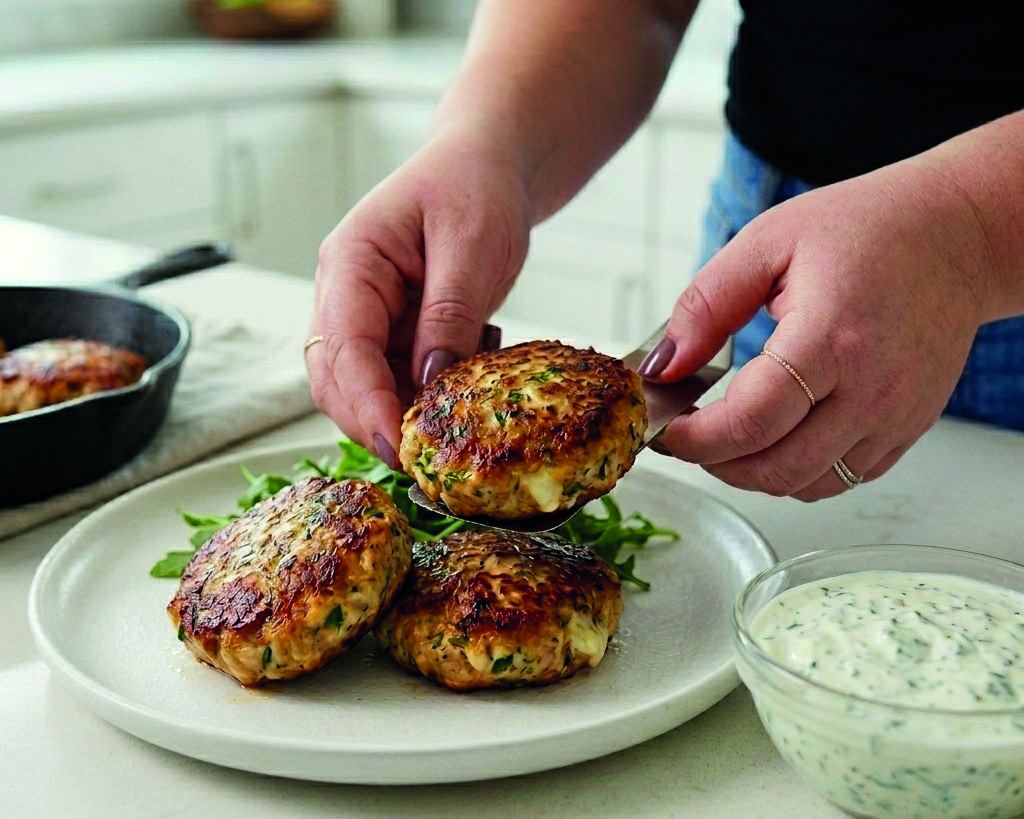
Golden herby turkey patties being plated over salad leaves. Protein turkey mince Healthy fats olive oil

Nutritious lunches · p. 37

Herby Turkey Patties

Turkey is naturally high in tryptophan and vitamin B12, which are linked to supporting mood, sleep and your nervous system.

  • Serves4
  • Prep15 min
  • Cook8–10 min
Ingredients
  • 1¾–2 cups turkey mince
  • 1 cup onion, finely chopped
  • ½–⅔ cup grated mozzarella cheese
  • 5 tsp olive oil
  • Large handful of fresh herbs, finely chopped — divided in two (parsley, coriander, oregano, mint, chives all work well)
  • ½ tsp dried herbs (rosemary, thyme, oregano, or a mixture)
  • ¼ tsp ground cinnamon
  • 2–3 cloves of garlic, finely chopped
  • 1 tsp plain, almond or oat flour
  • 1 cup natural or Greek yoghurt
  • ½ lemon · salt and pepper
Method

Prepare the onion, garlic and half of the herbs, or pulse in a food processor until finely chopped but not smooth. Tip into a large bowl and add the turkey, mozzarella, 2 tsp olive oil, cinnamon, dried herbs, flour and a pinch of salt and pepper. Mix until well combined and shape into 4–6 patties — if the mixture feels too dry, add a little more oil; if sticky, a little more flour. Heat a frying pan over a medium heat with ½ tsp olive oil and cook the patties for 3–4 minutes each side, until cooked through. Meanwhile, combine the yoghurt, remaining 2 tsp olive oil and a squeeze of lemon juice in a bowl. Finely chop the remaining herbs and mix into the yoghurt. Serve alongside the patties.

Meal prep & storage: the patties (turkey or chickpea) can be made, cooked, cooled and stored in the fridge for up to 3 days, or the freezer for up to 3 months — separate with baking paper if freezing multiples.

Vegan: swap the turkey mince for the same amount of chickpeas, and the cheese and yoghurt for plant-based alternatives. If using chickpeas, mash or blitz the mixture (not too smooth — leave some texture) so it holds together when pressed.

evenings, sortedDelicious Dinners

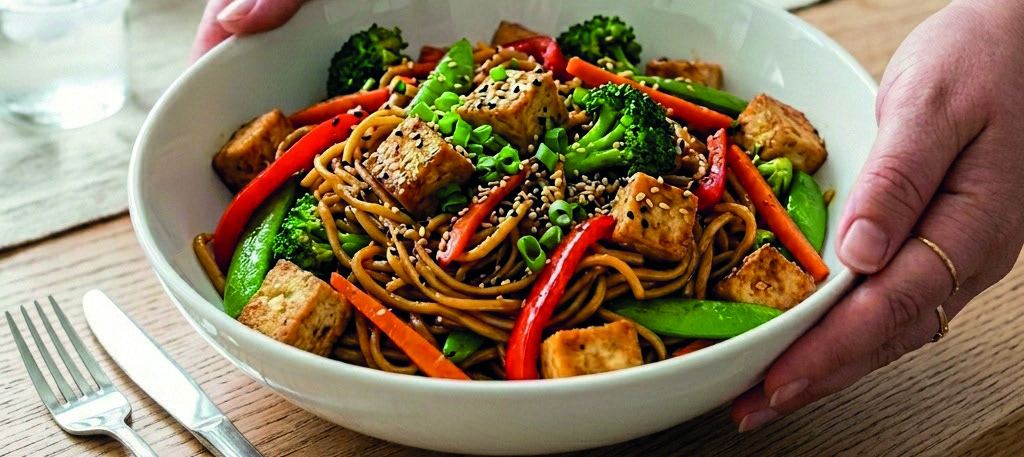
A bowl of noodle stir-fry with golden tofu cubes, broccoli, peppers and sesame seeds. Vitamins & minerals stir-fry vegetables Protein tofu

Delicious dinners · p. 38

Ginger-Garlic Tofu Stir-Fry with Noodles

Ginger helps digestion and eases nausea, and the tofu provides a plant-based protein source.

  • Serves2
  • Prep10–15 min
  • Cook20–25 min
Ingredients
  • 2 cups mixed vegetables, cut into bitesize strips (e.g. broccoli, bell pepper, carrots, sugar snap peas — or a pre-cut stir-fry bag)
  • 1 cup firm tofu, patted dry and cubed
  • 1 tsp olive or sesame oil
  • 1 cup wholegrain or rice noodles
  • 1–2 tsp low-sodium soy sauce
  • 1 tsp sesame seeds
  • 2 cloves of garlic, crushed or grated
  • 1 tsp fresh ginger, grated (or to taste)
Method

Fry the garlic and ginger in the oil for 1–2 minutes, until fragrant. Add the tofu and cook, tossing occasionally, until lightly browned all over — about 8–12 minutes. Add vegetables and stir-fry for 5–7 minutes. If your noodles are dried, cook them per packet instructions while the vegetables cook; if fresh or stir-fry-ready, add them to the vegetables for the last 2–3 minutes. Stir in the soy sauce and sprinkle with sesame seeds before serving.

Meal prep & storage: store in food containers for up to 3 days in the fridge.

Swaps — you could swap the tofu for 1 cup cooked prawns, cooked and flaked fresh or tinned salmon, cooked chicken, or a small lean steak per person.

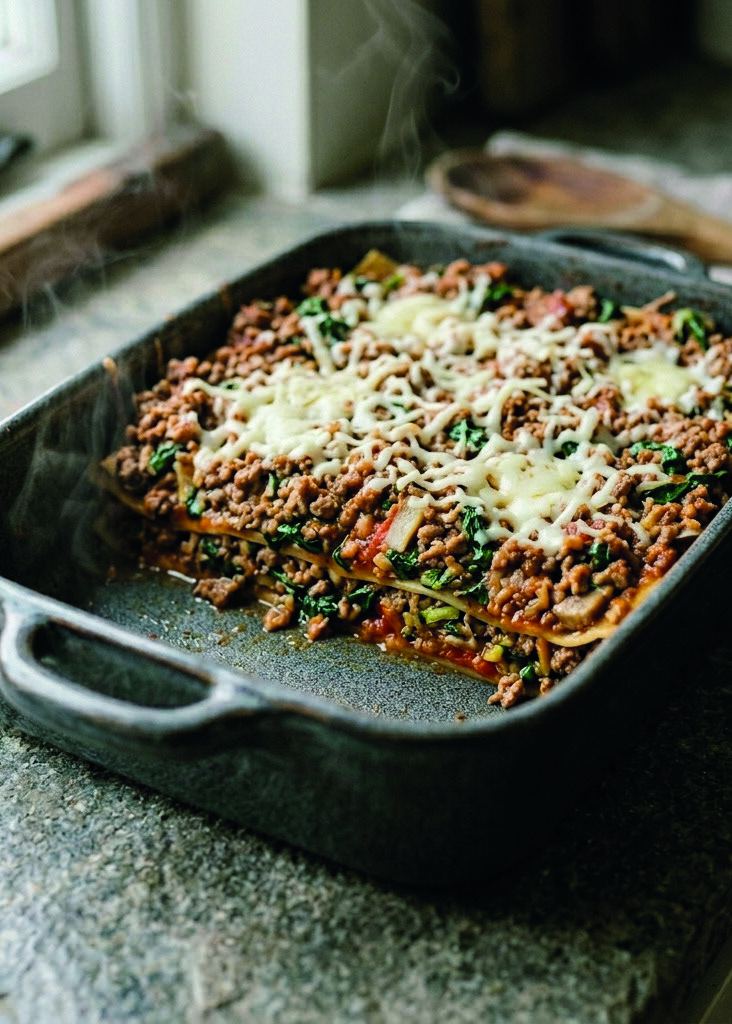
A baking dish of lasagne al forno with melted cheese, spinach and minced meat layers. Vitamins & minerals spinach Protein lean minced meat

Delicious dinners · p. 39

Italian-Style Lasagne al Forno

This satisfying lasagne is both comforting and balanced, packed with protein, vitamins and minerals.

  • Serves4
  • Prep10 min
  • Cook40 min
Ingredients
  • 4–6 wholegrain lasagne sheets
  • 1 tsp olive oil
  • 1–1½ cups lean minced meat (beef, turkey or chicken)
  • 2 cups spinach, chopped
  • 1 cup courgette, grated
  • 1 cup mushrooms, chopped
  • 1 cup tomato pasta sauce
  • 1 tsp dried herbs (basil, oregano or mixed)
  • ½ cup mozzarella or cheddar cheese
Method

Heat the oil and fry the vegetables, dried herbs and minced meat in a large frying pan over a medium heat until cooked, about 8–10 minutes. In a medium baking dish, layer half the tomato sauce, followed by half the lasagne sheets, half the vegetable-meat mix, and half of the cheese. Repeat the layers, finishing with the rest of the cheese. Bake for 25–30 minutes at 180°C until golden. Let cool slightly before serving.

Meal prep & storage: easily scaled up or down — just be sure you have an oven-safe dish to fit. Freezes well for up to three months, or keeps in the fridge for 2–3 days.

Vegan: use 1 cup brown, green or Puy lentils (simmer dried lentils in water or stock for 18–25 minutes first), mix into the cooked vegetables and layer as above, with a plant-based cheese. Pescatarian: swap the mince for 1 cup cooked salmon flakes or use lentils.

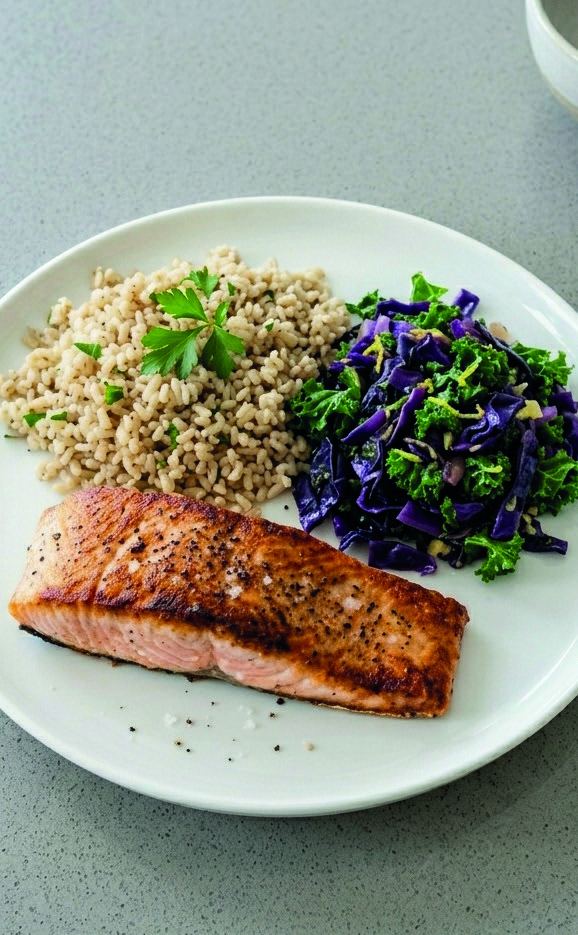
A plate of seared salmon with brown rice and a red cabbage and kale slaw. Carbohydrate brown rice Protein salmon

Delicious dinners · p. 40

Salmon with Rice, Cabbage & Kale

The acid in the lemon juice helps break down the proteins in the salmon, making it easier to digest. Red cabbage contains L-Glutamine, a specific amino acid that can help soothe the digestive tract.

  • Serves2
  • Prep10–15 min
  • Cook10 min
Ingredients
  • 2 × ½ tbsp olive or sesame oil
  • 2 fresh salmon fillets
  • 1 cup red cabbage, thinly sliced or coarsely grated
  • ½ lemon
  • 1 cup kale, stems removed and chopped
  • Pinch of salt and black pepper
  • ½ cup uncooked brown rice (or 1 cup cooked)
Method

If using uncooked rice, cook according to packet instructions. Heat one ½ tbsp of oil in a frying pan over a medium heat. Pat the salmon dry and cook for 4–5 minutes per side — as soon as the fish flakes easily with a fork and looks opaque all the way through, remove it from the heat. In the meantime, heat the remaining ½ tbsp of oil in a separate pan and add the cabbage and kale, and a splash of water, then cover with a lid to cook for 3–4 minutes. Serve the salmon alongside the rice and vegetables, then squeeze over the lemon.

Vegan: replace the salmon with extra-firm tofu “steaks” — cut two 1.5cm slices from a block and pan-sear with a dash of low-sodium soy sauce and ginger to mimic the savoury depth of the fish. Pescatarian: swap for any fish you prefer, like trout, fresh tuna or any white fish.

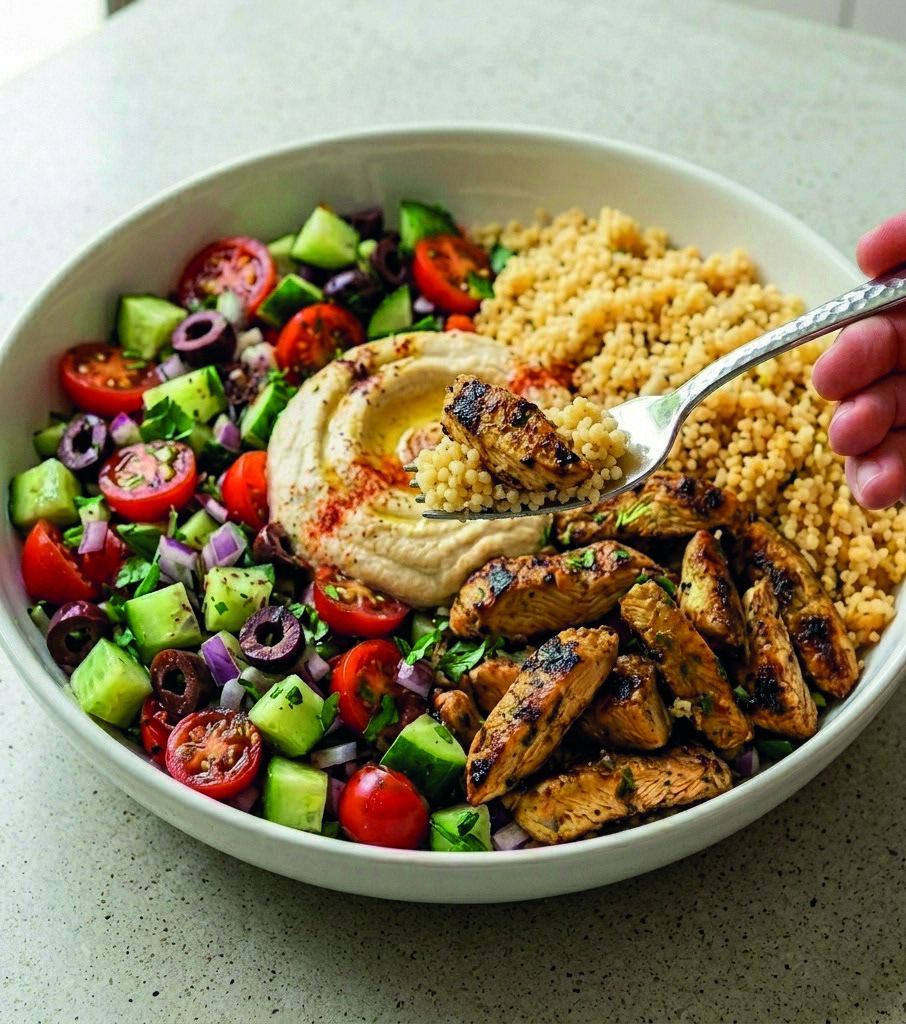
A chicken shawarma bowl with couscous, cucumber, tomatoes, olives and hummus. Healthy fats olives Protein chicken

Delicious dinners · p. 41

Chicken Shawarma Bowl

Spices like cumin and cinnamon contain compounds that help to stabilise blood sugar, as well as adding a burst of flavour.

  • Serves1
  • Prep10–15 min
  • Cook5–10 min
Ingredients
  • ½ cup chicken breast, thinly sliced
  • ⅓ cup couscous
  • ½ cup cucumber, diced
  • ½ cup cherry tomatoes, halved
  • 2 tbsp red onion, finely chopped
  • 4–5 black olives, chopped
  • 1 tsp extra virgin olive oil
  • 1 tbsp hummus
  • ½ tsp each of cumin, garlic powder, turmeric, and a pinch of cinnamon
Method

Mix the spices into a shawarma seasoning and toss with the chicken strips. Fry in the olive oil over medium-high heat until golden and opaque all the way through (about 5–6 minutes). Meanwhile, cover the couscous with ⅓ cup boiling water, rest for 5 minutes, then fluff with a fork. Plate the couscous and chicken, fill the rest of the bowl with cucumber, tomatoes, onions and olives, and top with the hummus.

Meal prep & storage: the spice mix keeps for up to 6 months in an airtight jar; the assembled bowl lasts 2–3 days in the fridge.

Vegan: swap in ½ cup soy curls, chickpeas, cubed tofu or smoked tempeh. Pescatarian: substitute ½ cup prawns, cooked through.

little & oftenSatisfying Snacks

When appetite is suppressed, adding small snacks between meals may help maintain energy levels and support adequate nutrition. These recipes give you a mixture of sweet and savoury snack ideas and are nutritious, quick to put together and genuinely satisfying.

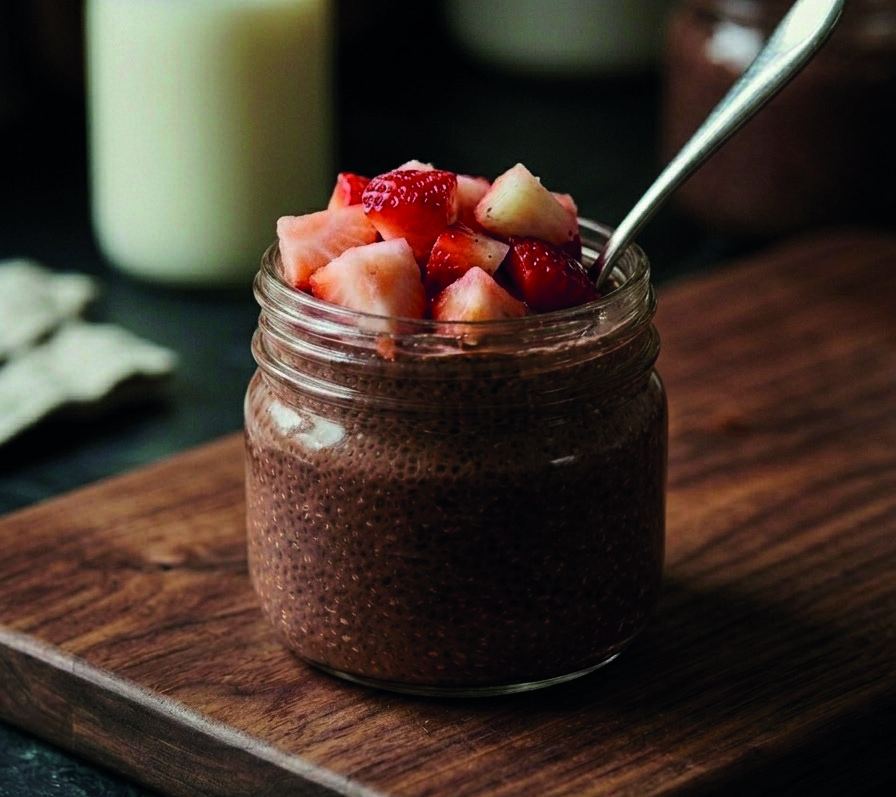
A jar of chocolate chia pudding topped with chopped strawberries, with a spoon resting in it. Fibre chia seeds

Satisfying snacks · p. 43

Chocolate Chia Pudding

Chia seeds are rich in fibre and help support digestion and steady energy.

  • Prep5 min
  • Chillovernight
Ingredients
  • 3 tbsp chia seeds
  • 1 cup milk
  • 1 tsp cocoa powder
  • ½ tsp maple syrup or honey
  • Fruit of your choice (optional)
Method

Add all the ingredients except fruit to a jar or storage container, and mix or shake well. Refrigerate overnight. When ready to eat, top with raspberries, strawberries or other fruit, if desired.

Meal prep & storage: make multiple jars at once and store in the fridge for 2–3 days — a quick grab-and-go snack, or breakfast with added fruit and nuts.

Vegan: use your preferred plant-based milk alternative, and maple syrup in place of honey.

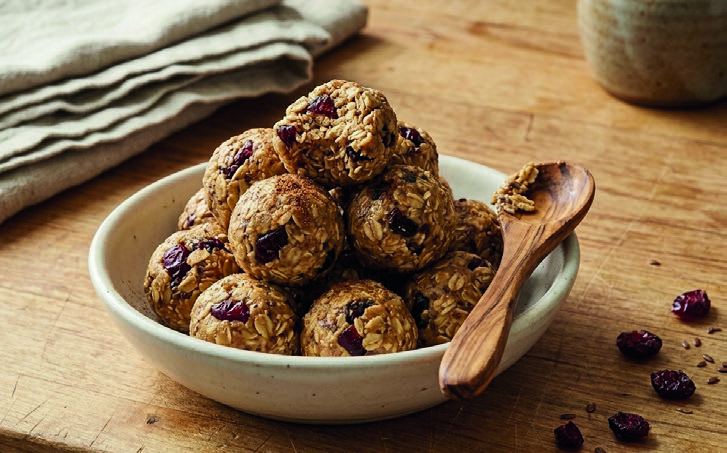
A bowl of peanut butter and oat energy bites with a wooden spoon.

Peanut Butter & Oat Energy Bites

High in fibre to keep digestion moving. Prep 8–10 min · p. 42

Ingredients: 1 cup oats, ½ cup peanut butter, ¼ cup ground flaxseeds, ¼ cup dried cranberries (roughly chopped), 1 tsp cinnamon.

Method: mix all the ingredients in a bowl to make a dough. If it’s a little dry or crumbly, add 1–2 tsp water or milk, or 1 tsp of honey to help it stick together. Roll into bite-sized balls — about 16–20. Two balls make one snack portion.

Storage: keeps 1–2 weeks in the fridge in an airtight container, or frozen for up to 3 months.

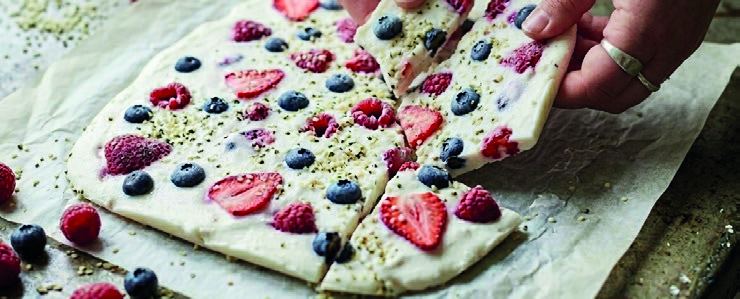
Frozen yoghurt bark studded with strawberries and blueberries, being broken into shards.

Frozen Protein Yoghurt Bark

Light and refreshing with an optional protein boost. Prep 5 min + 2 hrs freezing · p. 42

Ingredients: 2 cups Greek yoghurt, 1 scoop protein powder (optional), ½ cup berries of your choice, ¼ cup shelled hemp seeds.

Method: mix yoghurt and protein, if using. Spread thinly on baking paper. Top with berries and hemp. Freeze for 2 hours. Before eating, crack into shards.

Storage: makes 4–6 servings; store in the freezer with baking paper between layers. Best within a week. Vegan: plant-based yoghurt and protein powder work well.

Power-Up Protein Muffins

These muffins can help stabilise your blood sugar through the morning or afternoon. Prep 20–25 min + cooling · p. 43

Ingredients: 1 ripe banana (mashed), 2 tbsp oats, 1 egg, 1 tbsp peanut butter, ½ tsp cinnamon.

Method: mix the ingredients together in a bowl and spoon into a lightly greased mini-muffin tray. Bake at 180°C for 15 minutes. Cool for 5 minutes before removing. Makes 8–10 mini-muffins; enjoy one or two per snack serving.

Storage: 3 days in the fridge, or 2–3 months frozen. Vegan: replace the egg with a flax ‘egg’ (1 tbsp ground flaxseed + 3 tbsp cold water, rest 10–15 min).

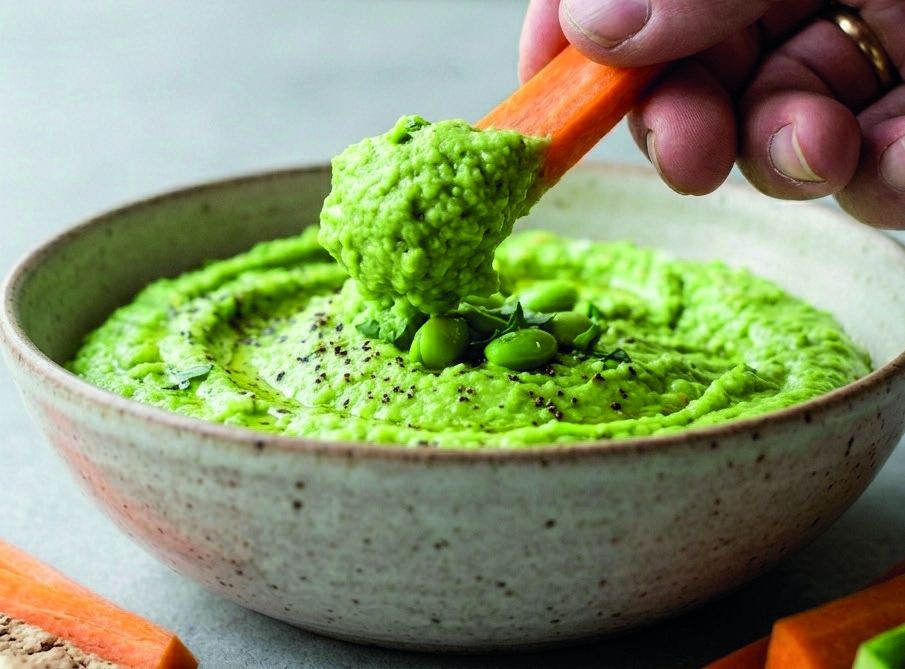
A carrot stick being dipped into a bowl of bright green edamame dip.

Lemon & Garlic Edamame Dip

Edamame beans contain iron and folate, which help your body produce healthy red blood cells, supporting energy levels and reducing fatigue. Prep/cook 5 min · p. 44

Ingredients: ½ bag or about 250g frozen shelled edamame (defrosted), 1 tbsp oil (olive, sesame or avocado all work well), ½ lemon or lime (juiced), 1 garlic clove, salt and pepper, vegetable sticks for serving.

Method: whizz everything in a food processor until mostly smooth. If it feels thick, add a splash of water and blend again. Use as a high-protein dip for your favourite vegetables.

Storage: best within 2–3 days, in a sealed container in the fridge.

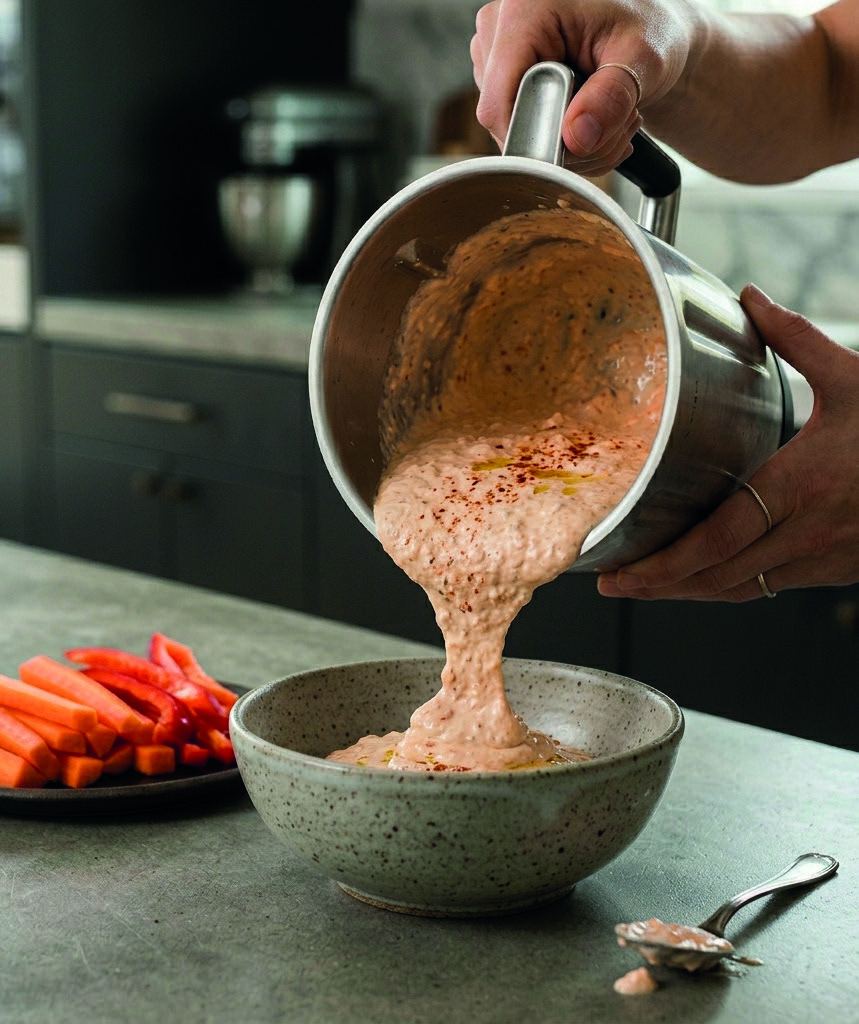
Whipped cottage cheese dip being poured into a bowl beside carrot sticks.

Creamy Cottage Cheese Protein Dip

A simple protein boost as a snack or a light lunch to support muscle health. Prep 5 min · p. 44

Ingredients: ½ cup cottage cheese, 1 tsp olive oil, 1 tsp smoked paprika, vegetable sticks for serving.

Method: blend or stir the cottage cheese with oil and paprika. Use as a high-protein dip for the vegetable sticks.

Swaps: mix up the flavourings — garlic and/or onion powder, black pepper, or your favourite fresh or dried herbs.

Omega-Smash Toast

Seeds are high in omega-3 fats to support brain health and steady energy. Prep 5 min · p. 45

Ingredients: 1 slice wholegrain bread, ½ avocado, 1 tsp chia/pumpkin/sunflower seeds (or a mixture), wedge of lemon.

Method: mash the avocado, squeeze over the lemon wedge and mix together. Toast the bread to your liking. Spread the avocado mix on toast and top with the seeds.

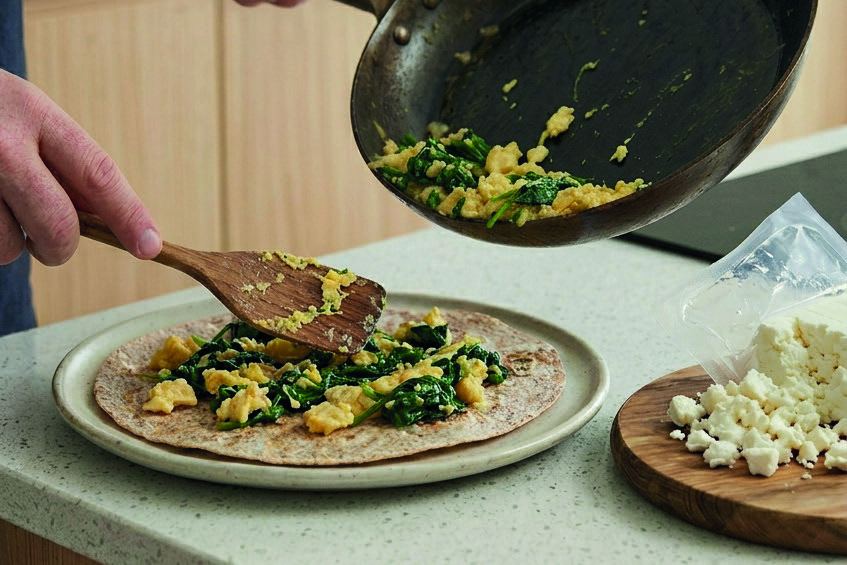
Scrambled egg and wilted spinach being spooned onto a wholemeal wrap with crumbled feta.

Spinach & Egg Protein Wrap

Provides a combination of protein and iron to support energy and reduce fatigue. Prep/cook 5–10 min · p. 45

Ingredients: 1 small wholemeal wrap, 1 egg, 1 handful of spinach, 1 tsp feta, crumbled.

Method: wilt the spinach by frying it in a dry frying pan over a medium heat for 1–2 minutes. Beat the egg and add to the pan until cooked to your liking. Put the wrap on a plate, top with the egg and spinach, sprinkle on the feta and roll up to serve.

Vegan: swap the egg for ¼ cup extra-firm tofu, crumbled, fried in 1 tsp oil for 5–7 minutes with a sprinkle of turmeric and/or garlic powder and a splash of plant milk.

Nutrient Sprinkles

A simple way to add a protein, fibre and healthy fats boost to any meal. Prep 5 min + cooling · p. 45

Ingredients: 1 cup walnuts, ½ cup pumpkin seeds, 1 tbsp nutritional yeast, pinch of salt.

Method: toast the walnuts and pumpkin seeds in a dry pan for 3 minutes. Let cool, add to a blender with the nutritional yeast and salt and pulse until it looks like coarse sand. Use as a sprinkle on yoghurt, toast, or pasta — approximately 1 tsp per serving.

Storage: keeps up to a week in an airtight container in a cool, dark place, or up to 2 weeks in the fridge; freeze for up to 3 months.

gentle on the stomachRecipes for Tough Days

Some days, side effects make eating feel like hard work (see Managing Side Effects). These recipes are designed for exactly those moments: gentle on the stomach, but still nourishing and nutritious. They aim to be easy to prepare with mostly store-cupboard ingredients, so you can quickly cook something up when energy is low, or side effects hit. For that reason, these recipes make one serving and are not intended for meal prepping or batch-cooking.

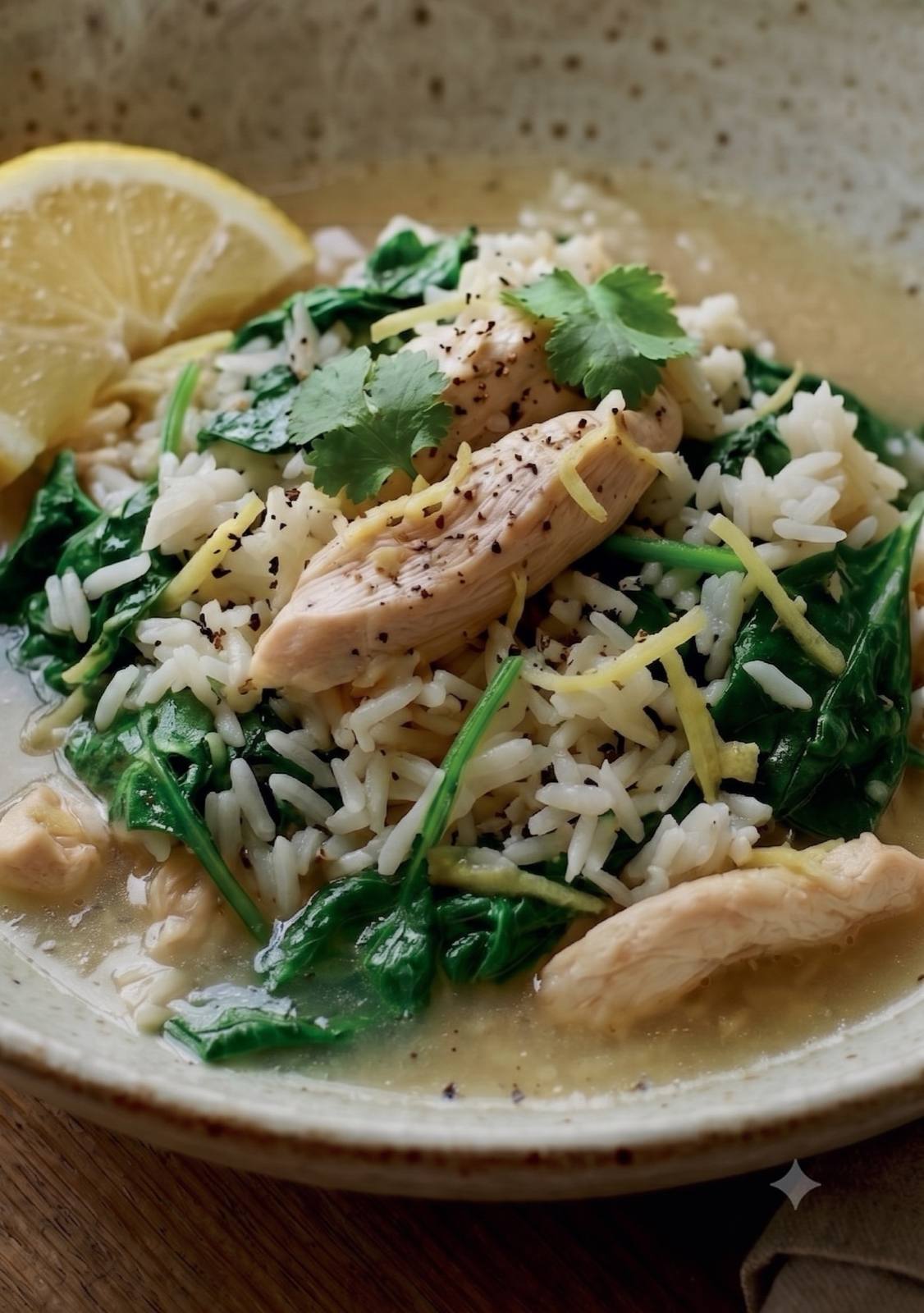
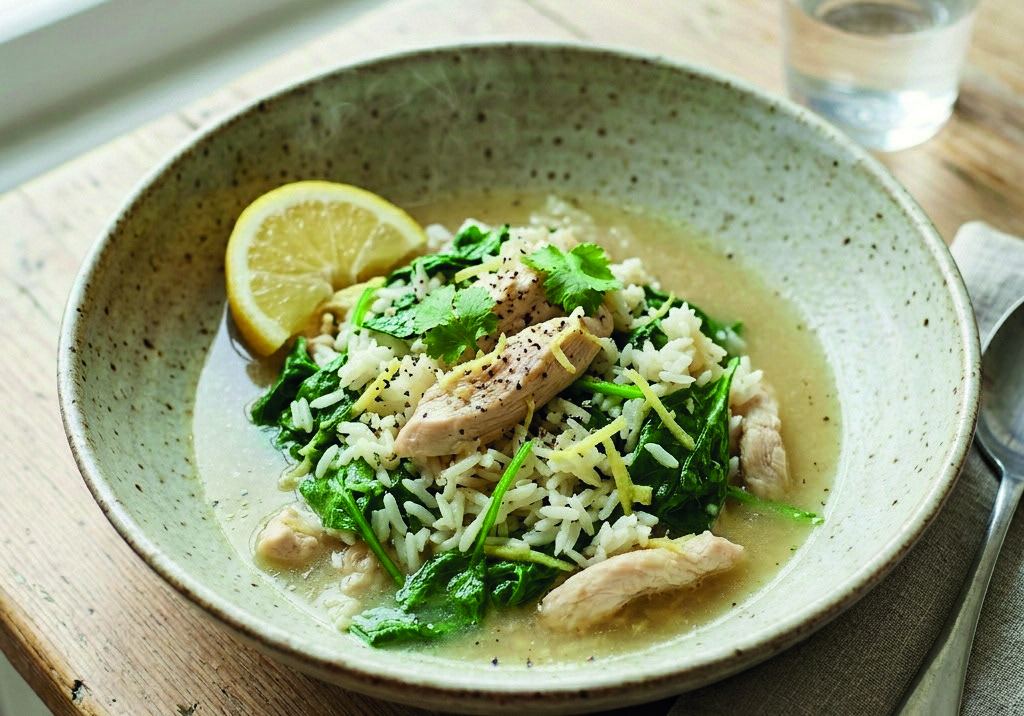
A bowl of rice, chicken and wilted spinach in a gingery broth with lemon.

10-Minute ‘Soothe & Move’ Bowl

For eggy burps and sluggish digestion. Prep/cook 10 min · p. 46

Ingredients: ½ cup cooked white rice, ⅔ cup chicken strips, 2 handfuls baby spinach, 1 tsp fresh ginger (grated), ½ lemon, ½ cup stock.

Method: simmer the stock with the ginger until nearly boiling. Add chicken and rice, cook for 4 minutes or until the chicken is cooked through. Remove from the heat, add the spinach and let it wilt for 30 seconds. Finish with a squeeze of lemon juice.

Why it helps: gingerol, a compound found in ginger, supports gastric motility and can help reduce nausea. Simple foods like rice and lean protein are often better tolerated when digestion is slowed. Vegan: swap chicken for firm tofu.

10-Minute ‘Hydrate & Flow’ Porridge

For constipation. Prep/cook 5–15 min · p. 46

Ingredients: ½ cup oats, 1 tbsp chia seeds, 1 cup milk or water, a small handful of berries, honey or maple syrup (optional).

Method: combine the oats, chia seeds, and milk or water. Microwave on high for 2 minutes, stirring halfway through — or cook gently in a small saucepan for 5–6 minutes. Stir in the berries and honey or maple syrup (if using) and let sit for 2 minutes before eating.

Why it helps: soluble fibre (oats and chia) creates a gel that keeps moisture in the gut, softening stools that have become dry due to slow transit. Vegan: use your preferred plant-based milk.

Golden Ginger Rice Bowl

For nausea. Prep/cook 5 min + rice cooking time · p. 47

Ingredients: 1 cup cooked white rice, 1 tsp grated ginger, ¼ tsp turmeric, pinch of salt.

Method: fold the ginger, turmeric, and salt into the warm rice. Eat slowly, little by little.

Why it helps: white rice is low in fibre and fat, so doesn’t irritate or overstimulate the gut. Eating small, slow portions helps minimise stomach discomfort. Swap: add a splash of soy sauce for a savoury umami hit.

A bowl of creamy rice congee topped with a halved soft-boiled egg.

Simple Savoury Rice Porridge (Congee)

For diarrhoea. Prep/cook 20–25 min · p. 47

Ingredients: ½ cup white rice, 3 cups water or stock, pinch of salt, 1 egg boiled to your liking and halved (optional).

Method: simmer rice and water or stock on low for 20 minutes until creamy and soft. Add salt, and serve topped with the boiled egg, if using.

Why it helps: the texture of congee is incredibly easy on the bowels and helps replace vital fluids and electrolytes lost during looser bowel movements. Swap: stir in ½ tsp miso paste for extra electrolytes. Vegan: use vegetable broth and skip the egg.

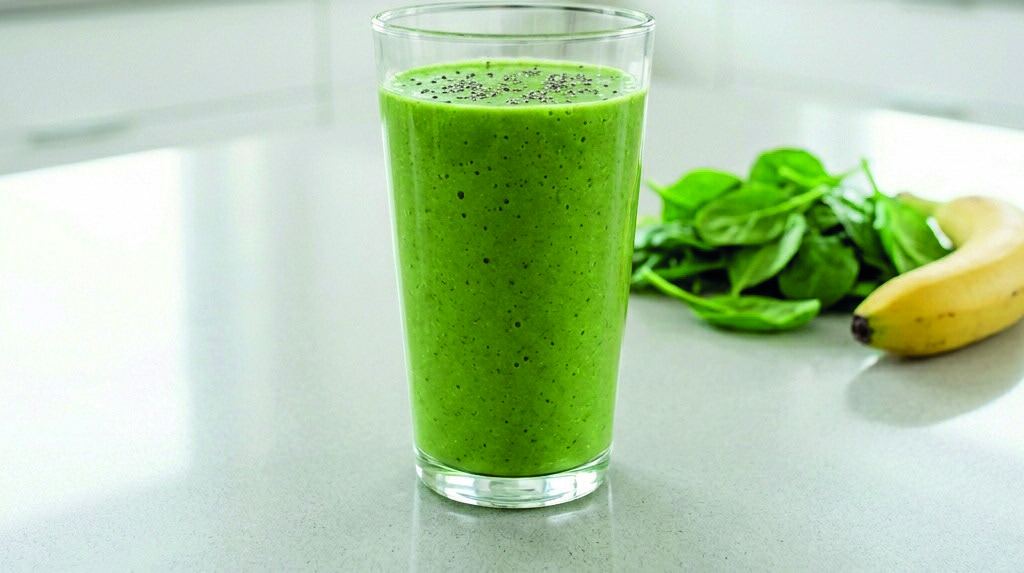
A tall glass of green smoothie beside baby spinach leaves and a banana.

Magnesium-Boost Green Smoothie

For headaches and fatigue. Prep 15–20 min · p. 48

Ingredients: 1 cup coconut water (see swaps), 1 handful baby spinach, ½ banana (ideally frozen, or serve with an ice cube), 1 tbsp chia seeds (soaked for at least 10–15 minutes in 4 tbsp water).

Method: blend all ingredients until smooth. Sip slowly over 30 minutes.

Why it helps: headaches and fatigue are often caused by dehydration or low blood sugar. This smoothie gives you hydration and electrolytes, energy from carbohydrates, and dietary magnesium from spinach, which may help reduce headache severity. Swap: add a scoop of protein powder to further stabilise blood sugar.

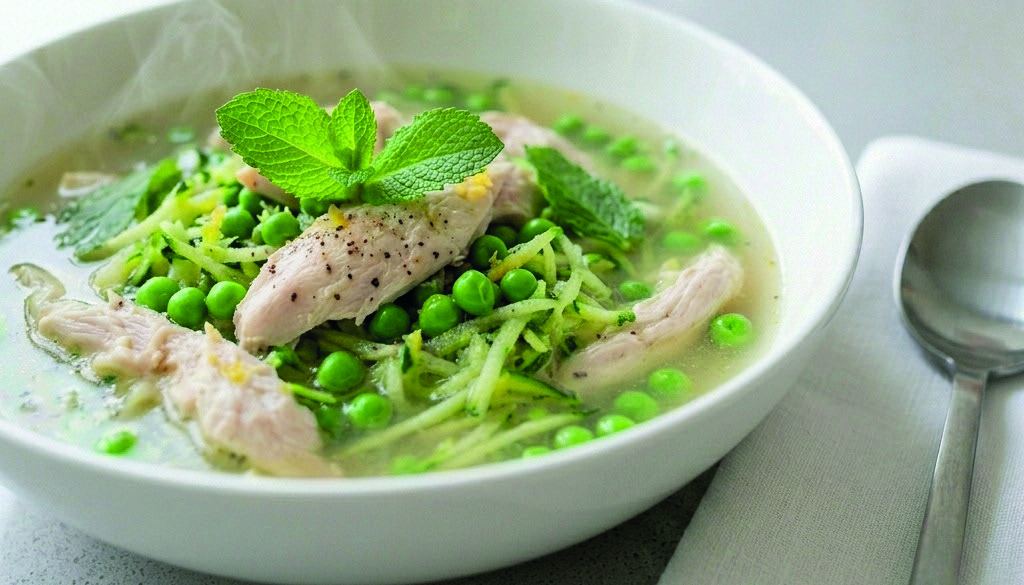
A bowl of poached chicken with peas, courgette and fresh mint in a light broth.

10-Minute ‘Cooling’ Chicken & Peas

For acid reflux. Prep/cook 10 min · p. 48

Ingredients: 1 chicken breast, cut into strips, ½–⅔ cup frozen peas, ½ courgette (grated), ½–⅔ cup stock, fresh mint, chopped.

Method: simmer the chicken in stock until cooked through, roughly 4 minutes. Add peas and courgette and continue simmering for 3 minutes. Top with mint.

Why it helps: low-fat and non-acidic ingredients keep stomach acid down and prevent reflux. Vegan: swap chicken for canned cannellini beans. Pescatarian: swap chicken for white fish (cod/haddock).

Meal Prepping and Planning

A little preparation goes a long way. Taking time at the start of the week to plan meals and prepare a few ingredients can reduce decision fatigue and take the pressure off day-to-day eating, so you always have something balanced and nourishing ready when you need it.

The easiest way to begin is by looking at the week ahead and building a simple meal plan, like the weekly meal plan in chapter five. Remember the meal plan blueprint: aim for two portions of legumes per week, two portions of fish (including one oily), limit red meat to one or two portions, and try to include a source of protein in every meal and snack.
Grocery shopping

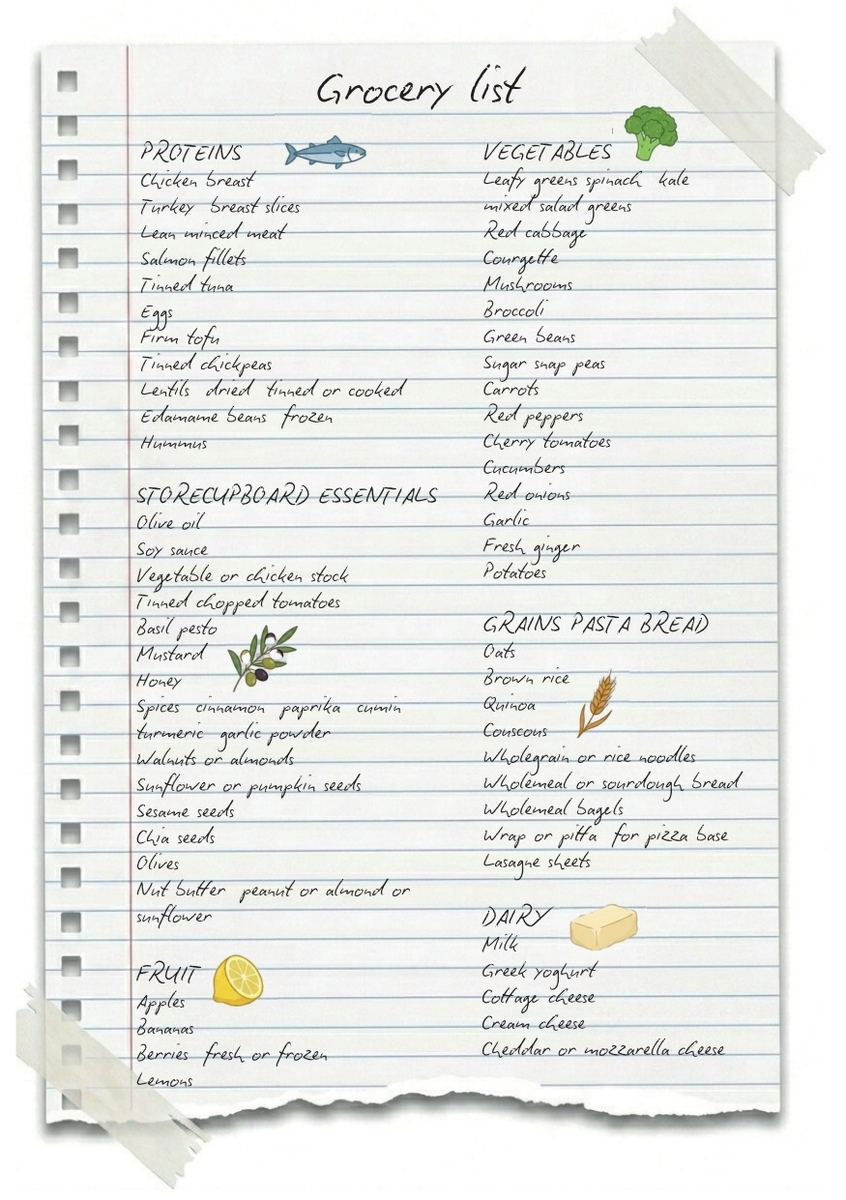
A good shopping list is one of the simplest things you can do to set yourself up for a nutritious week. It helps you include a variety of foods across all the major food groups and means you’re less likely to fall back on whatever happens to be in the cupboard. Planning ahead and shopping accordingly helps you buy only what you need — reducing waste and cost.

Categorising your shopping list helps you navigate the supermarket as well as helping you see economies — for example, if you’re already buying a pack of eggs for the Egg Salad Open Sandwich, you could also think about adding the Mediterranean Shakshuka Skillet as a breakfast option to make use of the remaining eggs.

The list opposite is built around the example meal plan in this guide, so if you’re following it from the start, this covers everything you’ll need. For simplicity, it contains the core ingredients — not dietary or preference swaps, nor optional ingredients. You’ll find you already have lots of these items in your cupboards!

A handwritten grocery list on notebook paper, categorised into proteins, storecupboard essentials, fruit, vegetables, grains pasta and bread, and dairy.
the week’s shop, sorted

Making meal planning work for you

Planning ahead even a couple of days can make a real difference. A loose structure you can actually stick to is more helpful than an ideal plan that falls apart — consistency matters much more than perfection.

Mixing and matching

A helpful starting point might be to prepare a few versatile basics that can be used across multiple meals: a batch of grains like quinoa or rice, a couple of proteins such as roasted chicken or Herby Turkey Patties, a tray of roasted or pre-chopped vegetables, and a simple soup. The Lentil & Chickpea Soup is especially useful as it’s nutrient-dense, easy to digest, and ideal for lower appetite days.

Once these basics are ready, you can mix and match across the week without cooking from scratch each time. Grains become the base for bowls or salads, proteins can be added to wraps or stir-fries, and soup can work alone or with bread for something more filling. This keeps meals flexible rather than fixed.

Batch cooking & meal prepping

This style is about cooking complete meals or larger portions in one go, then storing them for later use. Some people prefer to set aside time to batch cook several different recipes for the week, while others simply make extra portions of one dinner and refrigerate or freeze the leftovers.

Where recipes are suitable for batch cooking, preparing in advance, or storing in the fridge or freezer, this is clearly indicated beneath each recipe. Soups, stews and casseroles; chilli, curries and pasta sauces; and stir-fries all reheat well and are easy to make in larger quantities.

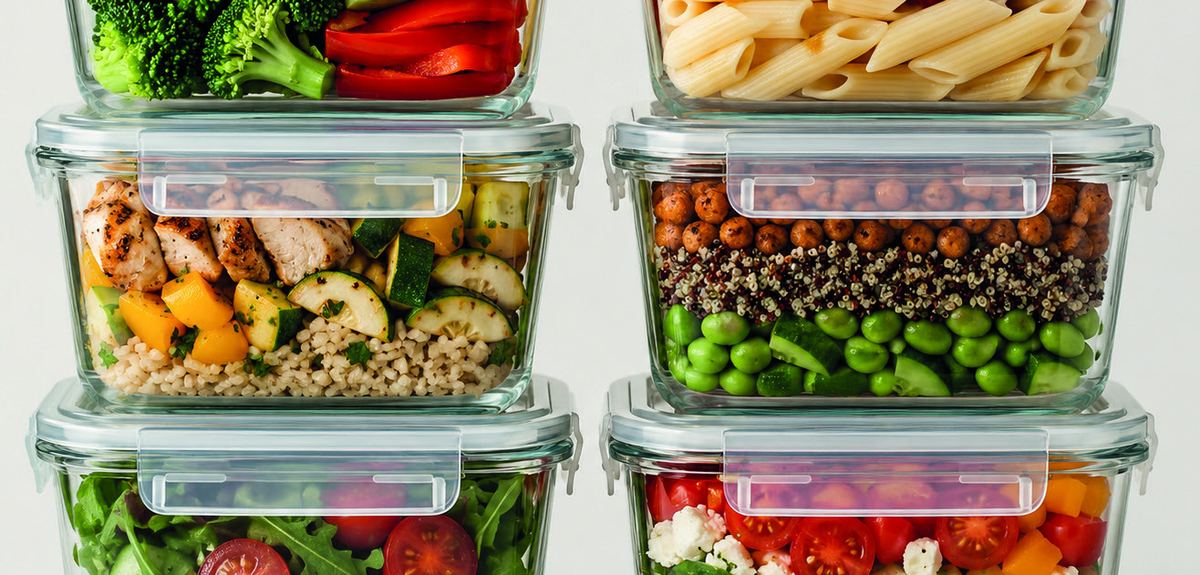
Stacked glass containers of prepped meals: grains, proteins, chickpeas and vegetables portioned for the week.
Cooking methods for easier digestion

Some cooking methods are gentler on your digestive system than others. Useful tools to have include: a microwave, oven or grill, slow cooker, blender, and a set of good food containers.

Good choices: boiling or poaching · baking or roasting · steaming · grilling or air-frying · stir-frying with minimal oil.

Try to reduce: deep-fried foods · heavy, creamy, or very greasy dishes · cooking with a lot of oil or butter.

When it all feels a bit much

There will be days when sticking to the plan feels hard. That’s completely normal — and it’s okay. On those days, you may not feel up to eating three elaborate meals. The goal is progress, not perfection. As long as you get your nutrients, it doesn’t have to be cooking from scratch and it doesn’t have to be complicated. Even if you miss a meal, or don’t eat a fully balanced plate, just pick up again for the next meal or the next day.

A healthier Sunday roast

Being on a weight management journey doesn’t mean giving up things you enjoy — a roast dinner is certainly still on the table. Some simple changes mean you can enjoy a Sunday dinner with friends or family, even if your appetite is reduced:

  • Prioritise lean proteins such as chicken or turkey; consider removing skin and trimming visible fat
  • Make vegetables the focus by increasing variety and volume (carrots, cabbage, broccoli, peas), cooked simply without butter-heavy sauces
  • Lighten roast potatoes by parboiling first and using small amounts of unsaturated oil (like olive or rapeseed) instead of butter or lard
  • Reduce salt and hidden fats with simple swaps in gravy and trimmings — lower-salt stock, skimming fat from meat juices

Before You Go

The top things to prioritise, and your questions answered.

Our top tips

If we had to choose, here are the top things to prioritise that will make the biggest difference to your nutrition and your weight management journey:

  1. Prioritise protein — include a protein source at every meal, like eggs, fish, chicken, beans, lentils, tofu, or yoghurt. It helps maintain muscle and keeps you fuller for longer.
  2. Make every bite count — when appetite is reduced, food quality matters more than quantity. Fill your plate with lean protein, vegetables, wholegrains and healthy fats.
  3. Keep mealtimes consistent — prioritise regular mealtimes and a consistent eating schedule, even when appetite is reduced.
  4. Include fibre — vegetables, fruit, beans, lentils, and oats support gut health and help prevent constipation, a common side effect when starting obesity management medication.
  5. Stay hydrated — drink water throughout the day. Good hydration supports digestion, helps manage appetite, and can reduce side effects like headaches and nausea.
  6. Plan ahead — batch cooking and keeping healthy snacks on hand reduces the daily pressure of deciding what to eat — and makes it easier to choose well.
  7. Go easy on rich foods — heavy, greasy, or very large meals can trigger nausea, especially while your body is still adjusting. Lighter, balanced meals are kinder on your digestion.
  8. Listen to your body — lastly, but by no means less importantly, pay attention to hunger and fullness cues. Eating slowly, chewing thoroughly and stopping when you feel satisfied can help prevent nausea and discomfort.

Your questions, answered

Is there a specific diet I need to follow?

No strict diet is required. The focus is on building balanced, nutrient-rich habits you can sustain long-term, not just the kind that produces short-term results.

What should my daily calorie intake be?

There’s no fixed calorie target while on obesity management medication. Your appetite naturally varies, and that’s expected. Rather than counting calories, focus on eating nutrient-dense foods that include protein, fibre, healthy fats, and plenty of fruit and veg.

Is it possible to eat too little on obesity management medication?

Yes. Eating too little can lead to nutrient deficiencies, muscle loss, and reduced bone density over time. Even if your appetite is low, try to eat regularly. Smaller portions are fine, but skipping meals regularly isn’t ideal.

How do I make sure I’m getting enough nutrients while losing weight?

Focus on food quality rather than quantity. Balanced meals with protein, fibre, healthy fats, and a variety of fruit and vegetables — eaten regularly, even in smaller portions — will go a long way towards meeting your nutritional needs.

How quickly should I expect to lose weight?

Weight loss varies from person to person and is influenced by factors like lifestyle, health history, and starting weight. Try not to compare your progress to others. Small, consistent steps tend to produce the most lasting results and help you build habits for life.

Everyone keeps telling me protein is important. Is that true?

Protein is important… but so are carbohydrates, fats, fibre, vitamins and minerals. Rather than focusing on one nutrient, aim for a balanced plate that includes a bit of everything to ensure you give your body what it needs.

Should I avoid carbohydrates?

No. Carbohydrates are an important part of a balanced diet and cutting them out entirely can lead to over-restriction, low energy and nutritional deficiencies. Focus on choosing wholegrains and fibre-rich options rather than avoiding carbohydrates altogether.

Can I snack while on medication?

Absolutely. If you’re active, or find it hard to eat much at mealtimes, snacks can help you hit your nutritional targets. Choose options that are high in protein and fibre, as they’ll keep you satisfied for longer.

Can I drink coffee?

Yes, in moderation. If you’re experiencing acid reflux or diarrhoea, it’s worth cutting back. Try to avoid coffee on an empty stomach.
Can I drink alcohol on obesity management medication?

Yes, but it’s worth being mindful. UK guidelines recommend no more than 14 units a week, and you may find you feel the effects of alcohol more quickly than before, or that it makes certain side effects worse. Stick to smaller amounts, avoid drinking on an empty stomach, and consider alcohol-free alternatives when you can.

Are there foods I should avoid?

No foods are completely off the table, but some may make existing side effects worse. Fried or very spicy foods, alcohol, and large amounts of coffee are worth reducing if you’re experiencing nausea or digestive discomfort, but you don’t need to cut them out entirely.

How do I manage cravings and emotional eating?

It helps to pause and ask yourself what’s driving the craving. Is it physical hunger, emotion, or just habit? If you’re genuinely hungry, a balanced snack with protein and fibre is a good choice. If it’s emotional, a short walk or a few minutes away from the kitchen can help. Cravings are normal, and sometimes they’re simply a sign your body needs more nourishment.

A final word

Starting obesity management medication is a meaningful step — and it works best when it’s part of a broader commitment to how you live and eat. That doesn’t mean being perfect. It means being consistent, being patient, and being kind to yourself when things don’t go to plan.

Weight loss isn’t a straight line. There will be periods where the scales don’t seem to move — and that’s completely normal. Your body is adapting, and progress is still happening even when it isn’t obvious. Use those moments to refocus on your habits rather than the number.

The things that matter most are the ones you can keep doing: eating regular, balanced meals, staying hydrated, moving your body in ways that feel good, sleeping well, and, importantly, paying attention to how you feel. These habits compound over time, and they’re what make the difference between short-term results and lasting change.

We’re with you every step of the way.

Back matter · p. 59

Recipe Index

Every recipe in the guide, indexed by the side effects it can help with. Filter to find what suits today.

Back matter · p. 60

Progress Tracker

The print edition’s tracker templates, made interactive. If you’re just starting on your weight management journey, we recommend choosing one area of your nutrition to focus on at a time — don’t be overwhelmed. Everything you record here is saved privately on this device only.

Meals with protein

Fruit & vegetable portions

Hydration

Hunger

Fullness

Side effects

Energy & mood

Notes

End of the week reflections

Saved automatically to this browser. Nothing leaves your device.

Back matter · p. 63

References

  1. Almandoz, J.P., Wadden, T.A., Tewksbury, C., Apovian, C.M., Fitch, A. and Ard, J.D. et al. (2024) ‘Nutritional considerations with antiobesity medications’, Obesity, 32(9).
  2. Drinkaware (n.d.) Low risk drinking guidelines. Available at: drinkaware.co.uk (Accessed: 18 March 2026).
  3. Eli Lilly (2026) Package leaflet: Information for the patient Mounjaro KwikPen solution for injection in pre-filled pen. Available at: medicines.org.uk (Accessed: 18 March 2026).
  4. Mozaffarian, D., Agarwal, M., Aggarwal, M., Alexander, L., Apovian, C.M. and Bindlish, S. et al. (2025) ‘Nutritional priorities to support GLP-1 therapy for obesity: A joint advisory from the American College of Lifestyle Medicine, the American Society for Nutrition, the Obesity Medicine Association, and The Obesity Society’, The American Journal of Clinical Nutrition, 122(1). Available at: doi.org/10.1016/j.ajcnut.2025.04.023 (Accessed: 2 March 2026).
  5. NHS (2022) The Eatwell Guide. Available at: nhs.uk (Accessed: 2 March 2026).
  6. Novo Nordisk (2026) Package leaflet: Information for the patient Wegovy FlexTouch. Available at: medicines.org.uk (Accessed: 18 March 2026).
  7. Sievenpiper, J.L., Ard, J., Blüher, M., Chen, W., Dixon, J.B. and Fitch, A. et al. (2025) ‘Nutritional and lifestyle supportive care recommendations for management of obesity with GLP-1-based therapies: An expert consensus statement using a modified Delphi approach’, Obesity Pillars. Available at: sciencedirect.com (Accessed: 18 March 2026).
  8. Spreckley, M., Ruggiero Cara, F. and Brown, A. (2026) ‘Nutrition strategies for next-generation incretin therapies: A systematic scoping review of the current evidence’, Obesity Reviews.
  9. Volek, J.S., Kackley, M.L. and Buga, A. (2024) ‘Nutritional considerations during major weight loss therapy: Focus on optimal protein and a low-carbohydrate dietary pattern’, Current Nutrition Reports, 13, pp. 422–443.